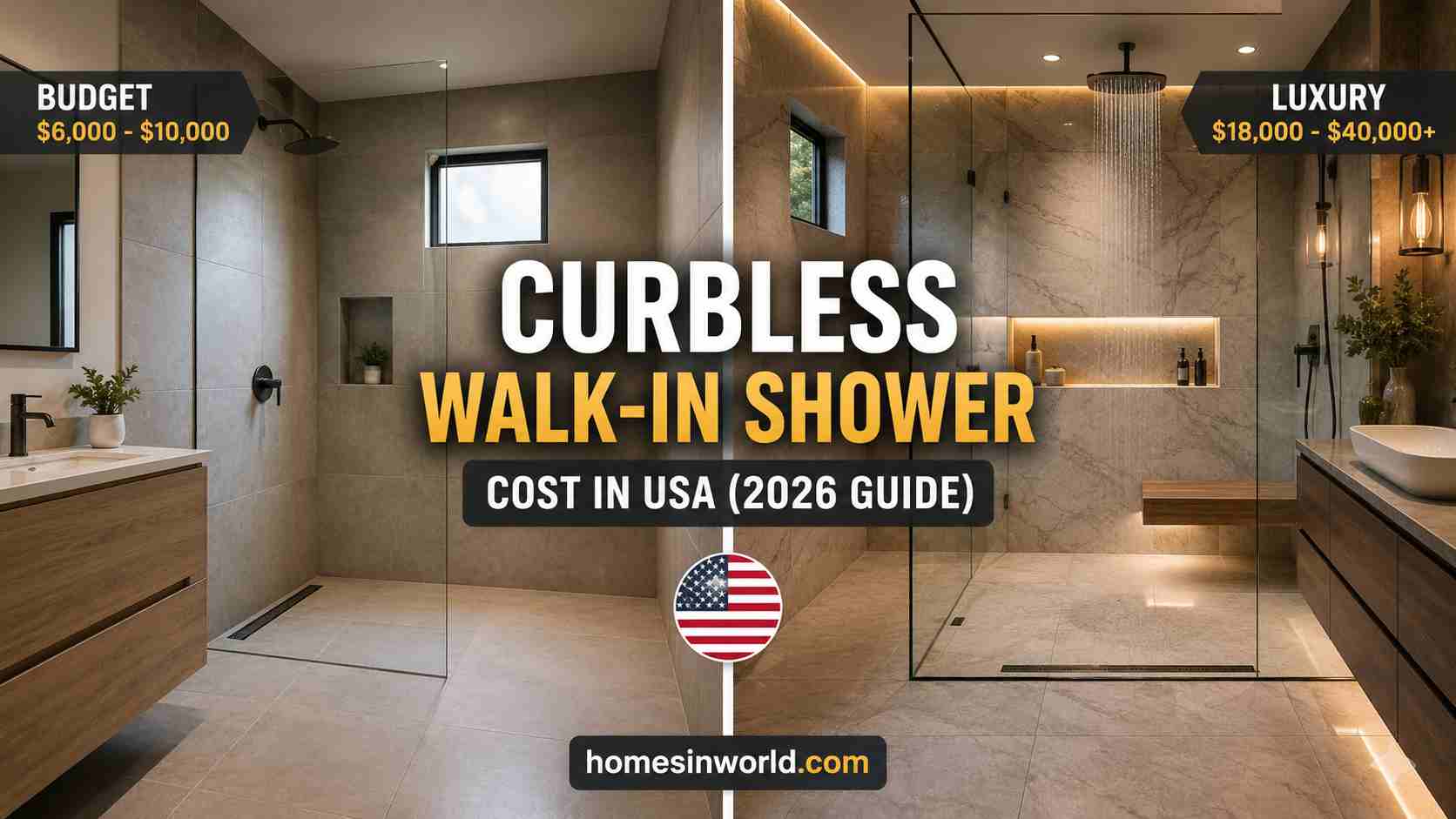
Curbless Walk-In Shower Cost in USA (2026 Guide)
Curbless walk-in showers are quickly becoming one of the most popular bathroom remodeling upgrades in the USA — and for good reason. They combine modern luxury, easy accessibility, sleek minimalist design, and long-term home value in a way traditional showers often cannot match. But before starting your remodel, one major question comes first: how much does a curbless walk-in shower cost in 2026?
The answer depends on several important factors, including shower size, waterproofing systems, tile materials, linear drains, labor costs, and whether you are building a simple barrier-free shower or a high-end spa-style bathroom retreat. In many cases, a curbless shower remodel can cost more than a traditional walk-in shower because of specialized drainage work, floor slope adjustments, and advanced waterproofing requirements.
Across the USA, homeowners are increasingly choosing curbless showers for:
- aging-in-place bathroom safety
- ADA accessibility
- luxury master bathroom upgrades
- modern open-concept bathroom designs
- easier cleaning and maintenance
However, hidden costs like subfloor modifications, plumbing relocation, mold prevention, and custom tile installation can quickly increase your remodeling budget if you are not prepared.
In this complete 2026 guide, you’ll discover:
- average curbless walk-in shower costs
- labor and material pricing
- waterproofing and drainage expenses
- linear drain installation costs
- ADA shower remodeling prices
- luxury vs budget-friendly options
- hidden remodeling costs most homeowners ignore
- expert tips to save money
Whether you are planning a small bathroom renovation or a luxury spa-inspired remodel, this guide will help you understand realistic pricing, avoid costly mistakes, and confidently plan your curbless shower project in 2026.
Average Curbless Walk-In Shower Cost in 2026
A curbless walk-in shower is one of the fastest-growing bathroom remodeling upgrades in the USA because it combines luxury design, modern accessibility, and a seamless open-concept appearance. However, many homeowners are surprised to learn that a curbless walk in shower cost is usually higher than a traditional shower remodel due to specialized waterproofing, floor slope modifications, and linear drain installation requirements.
In 2026, the average curbless shower price in the United States ranges from approximately $8,000 to $20,000+, depending on the size of the shower, tile materials, labor complexity, and bathroom layout. Smaller projects using prefabricated systems can stay near the lower end, while luxury spa-style showers with frameless glass, porcelain slab walls, heated flooring, and custom drainage systems can exceed $30,000 in premium remodeling markets.
Unlike standard shower installations, curbless showers require:
- recessed flooring systems
- advanced waterproof membranes
- precise drainage slopes
- linear drain installation
- specialized tile labor
- moisture protection systems
These additional construction requirements increase both labor and material costs but also create a cleaner, more modern bathroom design that many buyers now prefer.
National Average Curbless Shower Cost
The national average curbless shower cost in 2026 is typically between $10,000 and $15,000 for a professionally installed mid-range remodel. This pricing usually includes demolition, waterproofing, tile installation, plumbing updates, drainage work, and frameless glass enclosure installation.
Here is a general cost breakdown homeowners can expect:
- Basic curbless shower remodel: $6,000–$9,000
- Mid-range curbless shower installation: $10,000–$15,000
- Luxury spa-style curbless shower: $18,000–$35,000+
Labor often represents 40%–60% of the total shower remodel pricing because creating a proper floor slope and waterproofing system requires experienced contractors and precise craftsmanship.
States like California and New York generally have higher shower installation expenses due to labor rates, permit fees, and premium material demand.
Lowest vs Luxury Curbless Shower Costs
A cheap curbless shower can cost as little as $5,000–$7,000 if homeowners:
- keep the existing plumbing layout
- use acrylic or fiberglass shower systems
- avoid custom tile work
- install standard glass panels
- use smaller shower dimensions
These budget-friendly projects are often found in guest bathrooms or compact remodels focused mainly on accessibility improvements.
On the opposite end, a luxury curbless shower remodel can exceed $25,000 when homeowners choose:
- frameless floor-to-ceiling glass
- large-format porcelain slabs
- rainfall shower systems
- heated bathroom floors
- recessed LED lighting
- custom benches and niches
- smart digital shower controls
Luxury bathrooms also require more waterproofing labor and premium installation techniques, which increases remodeling costs significantly.
For example, a spa-inspired curbless shower in a California master bathroom may include:
- custom linear trench drains
- floating benches
- imported Italian porcelain tile
- dual showerheads
- oversized layouts
These upgrades dramatically increase both material and labor costs.
What Impacts Curbless Shower Pricing?
Several important shower cost factors determine how expensive a curbless shower remodel becomes in 2026.
The biggest factor is usually floor preparation. Since curbless showers need a gentle slope toward the drain, contractors often must modify the bathroom subfloor to prevent standing water and drainage problems.
Other major pricing factors include:
- Waterproof membrane systems
- Linear drain installation
- Tile material selection
- Frameless glass enclosure pricing
- Plumbing relocation
- Bathroom size
- Local contractor labor rates
- Permit and inspection fees
- Accessibility upgrades
- Heated flooring systems
Luxury materials like porcelain slab walls and natural stone tile also increase costs because they require specialized installation labor and waterproofing expertise.
Homeowners should also budget for hidden remodeling expenses such as:
- mold remediation
- water-damaged subfloor repairs
- ventilation upgrades
- plumbing code corrections
In many remodels, proper waterproofing and drainage systems are the most important investment because poor installation can lead to leaks, mold growth, and expensive future repairs.
A professionally installed curbless shower may cost more upfront, but it often provides:
- better long-term durability
- modern resale appeal
- improved bathroom accessibility
- easier cleaning and maintenance
- luxury spa-style aesthetics
Curbless Shower Cost by Shower Type
The total cost of a curbless walk-in shower depends heavily on the type of shower system homeowners choose. Some projects focus on affordability and accessibility, while others prioritize luxury spa-style aesthetics with premium tile, frameless glass, and custom waterproofing systems.
In 2026, custom curbless shower cost estimates vary widely because different shower types require different levels of labor, drainage work, waterproofing, and material quality. A simple prefabricated shower may cost under $8,000, while a fully customized luxury tile shower can exceed $30,000 in high-end bathroom remodels.
The most common curbless shower types include:
- prefabricated acrylic systems
- custom tile showers
- frameless glass shower enclosures
- luxury spa-inspired open showers
Each option offers different advantages in:
- appearance
- durability
- maintenance
- accessibility
- long-term resale value
Prefabricated Curbless Shower Cost
A prefab curbless shower is usually the most affordable option for homeowners who want a barrier-free shower without the expense of fully custom tile installation. In 2026, most prefabricated systems cost between $5,000 and $10,000 installed.
These shower systems typically include:
- acrylic shower pans
- integrated wall panels
- built-in waterproofing systems
- standard drain placement
Acrylic shower pricing is lower because labor requirements are reduced compared to custom tile work. Contractors can often complete installation in just a few days, which helps lower overall shower installation expenses.
Prefabricated curbless showers work especially well for:
- small bathrooms
- accessibility upgrades
- senior-friendly remodels
- budget-conscious homeowners
However, design customization is limited compared to luxury tile shower systems.
Tile Curbless Shower Cost
A curbless tile shower cost is usually much higher because tile installations require advanced waterproofing, precision floor sloping, and detailed craftsmanship. Most homeowners spend between $10,000 and $20,000+ for a professionally built tile curbless shower in 2026.
Porcelain shower tile remains one of the most popular materials because it offers:
- water resistance
- long-term durability
- luxury appearance
- easier maintenance
- modern spa-style aesthetics
High-end projects may include:
- large-format porcelain slabs
- mosaic shower flooring
- heated tile floors
- recessed shower niches
- floating benches
Tile showers also require:
- waterproof membrane installation
- vapor barriers
- mortar bed preparation
- specialized grout sealing
Labor costs are significantly higher because creating a proper drainage slope under tile surfaces takes time and expertise.
For example, a custom tile curbless shower with frameless glass and oversized porcelain slabs in California or New York can easily exceed $25,000 due to premium labor rates and material pricing.
Frameless Glass Curbless Shower Cost
A frameless curbless shower creates a sleek open-concept bathroom design that feels larger, brighter, and more luxurious. In most USA remodels, frameless glass shower enclosure costs range from $2,000 to $8,000+ depending on glass thickness, shower size, and customization.
Frameless systems are popular because they:
- improve visual space
- showcase tile work
- create luxury spa aesthetics
- increase resale appeal
- reduce visual clutter
However, thicker tempered glass panels require:
- reinforced mounting hardware
- precision installation
- professional measuring
Large custom glass panels also increase labor costs because installation mistakes can become extremely expensive.
Many homeowners combine frameless glass with:
- linear trench drains
- curbless tile flooring
- rainfall showerheads
- matte black fixtures
This creates a high-end modern bathroom appearance that is trending strongly in 2026 remodeling projects.
Luxury Spa-Style Curbless Shower Cost
A luxury shower remodel is the most expensive type of curbless shower installation. These premium projects often range from $20,000 to $40,000+ depending on materials, bathroom size, and customization.
Luxury spa-style bathrooms frequently include:
- oversized open showers
- dual rainfall showerheads
- smart digital shower controls
- steam shower systems
- heated flooring
- custom LED lighting
- natural stone walls
- floating benches
- floor-to-ceiling frameless glass
These upscale designs require:
- advanced waterproofing systems
- extensive plumbing upgrades
- custom tile fabrication
- specialized luxury installation labor
In high-end markets like California, Florida, and New York, spa bathroom remodel costs can rise quickly because luxury bathroom contractors charge premium labor rates for custom craftsmanship and designer finishes.
While luxury curbless showers require a larger upfront investment, they often deliver:
- stronger resale value
- premium buyer appeal
- long-term durability
- luxury hotel-style comfort
- modern accessibility benefits




Curbless Shower Cost by Size
One of the biggest factors affecting curbless walk-in shower cost in 2026 is the overall shower size and bathroom layout. Larger showers require more tile, waterproofing materials, drainage work, and labor hours, which can dramatically increase remodeling expenses. Smaller showers may cost less overall, but they often require more precise floor planning and drainage engineering to maintain proper water flow in compact spaces.
Unlike traditional shower systems, curbless showers need carefully designed floor slopes and waterproof transitions throughout the bathroom floor. Because of this, shower dimensions directly affect:
- waterproof membrane coverage
- tile installation labor
- linear drain sizing
- plumbing adjustments
- frameless glass enclosure pricing
- overall shower installation expenses
In most USA remodeling projects, curbless shower costs increase significantly once homeowners move beyond standard bathroom layouts into luxury spa-style designs.
Small Curbless Shower Cost
A small curbless shower cost typically ranges from $6,000 to $12,000 depending on materials, labor complexity, and drainage modifications. Compact showers are common in:
- guest bathrooms
- condo remodels
- urban apartments
- accessibility upgrades
- tiny bathroom renovations
A compact curbless shower may save money on tile and glass, but installation can still become labor-intensive because contractors must create an accurate floor slope in a limited area.
Tiny bathroom shower projects often include:
- wall-mounted fixtures
- sliding frameless glass panels
- small linear drains
- large-format tile to visually expand space
Homeowners can lower costs by:
- keeping existing plumbing locations
- choosing prefabricated shower systems
- avoiding custom glass fabrication
- using standard porcelain tile sizes
Small curbless showers are especially popular in modern minimalist bathroom remodels because they make compact spaces feel larger and more open.
Master Bathroom Curbless Shower Pricing
A master bathroom shower remodel usually costs between $12,000 and $25,000+ in 2026 because larger bathrooms allow for more customization and luxury upgrades.
Most master bathroom curbless showers include:
- frameless glass enclosures
- oversized shower dimensions
- rainfall showerheads
- dual shower systems
- recessed lighting
- custom tile walls
- built-in benches and niches
Luxury shower pricing rises quickly when homeowners choose:
- heated flooring
- imported porcelain slabs
- smart digital shower controls
- natural stone finishes
- custom waterproofing systems
Master bathroom layouts often require:
- larger waterproof membrane coverage
- extended floor slope engineering
- multiple drainage zones
- upgraded plumbing systems
For example, a mid-range master bathroom remodel in Texas may cost around $15,000, while a luxury curbless shower installation in California or New York can exceed $30,000 due to higher labor rates and premium materials.
Oversized Luxury Curbless Shower Costs
An oversized shower remodel is one of the most expensive bathroom upgrades homeowners can choose. Large spa shower projects typically range from $20,000 to $45,000+ depending on customization, tile selection, and structural modifications.
Large spa shower designs are becoming increasingly popular in high-end homes because they create:
- luxury hotel-style aesthetics
- open-concept bathroom layouts
- premium resale appeal
- better accessibility
- spa-inspired comfort
Oversized curbless showers often feature:
- dual or triple showerheads
- full-width linear trench drains
- steam shower systems
- floating benches
- floor-to-ceiling frameless glass
- oversized porcelain slab walls
- heated flooring systems
Larger showers also require:
- more advanced drainage planning
- reinforced subfloor systems
- extended waterproofing membranes
- additional ventilation systems
One hidden cost many homeowners overlook is increased labor complexity. Large-format tile installation, floor leveling, and custom glass fitting require specialized remodeling contractors with curbless shower experience.
Before starting a large spa-style remodel, homeowners should compare multiple contractor estimates and verify that installers understand:
- shower slope requirements
- waterproof membrane systems
- drainage engineering
- mold prevention techniques
Choosing the right shower size is not only about appearance — it also affects long-term maintenance, water management, installation complexity, and overall remodeling ROI.
Curbless Shower Labor Cost in USA
Labor is one of the biggest expenses in any curbless walk-in shower remodel. In many 2026 bathroom renovations, labor alone accounts for 40%–60% of the total project cost because curbless showers require specialized waterproofing, floor slope engineering, tile installation, and drainage work that standard shower systems often do not.
The average curbless shower labor cost in the USA ranges from $4,000 to $12,000+ depending on:
- bathroom size
- tile complexity
- plumbing modifications
- regional contractor pricing
- custom glass installation
- waterproofing requirements
Unlike traditional showers with raised curbs, curbless designs need precise floor leveling to ensure water drains properly without leaking into the rest of the bathroom. This extra preparation increases both shower installation labor time and contractor expertise requirements.
Homeowners in high-cost remodeling markets such as California, New York, and parts of Florida often pay significantly more for skilled tile installers, licensed plumbers, and frameless glass specialists.
The largest labor expenses usually include:
- demolition and floor prep
- waterproof membrane installation
- tile setting and grout work
- drainage slope construction
- plumbing relocation
- linear drain installation
- frameless glass fitting
Hiring experienced contractors is critical because poor labor quality can lead to:
- standing water
- mold growth
- leaking shower floors
- cracked tile
- drainage failures
Tile Installation Labor Costs
Tile work is often the most labor-intensive part of a curbless shower remodel. In 2026, tile shower labor cost typically ranges from $2,000 to $8,000+ depending on tile material, shower size, and installation complexity.
A professional shower tiling contractor must carefully:
- create proper floor slope angles
- install waterproof backer boards
- apply waterproof membranes
- cut tile precisely around drains
- seal grout joints correctly
Large-format porcelain slabs and mosaic flooring increase labor costs because they require:
- advanced leveling systems
- precision cutting
- additional waterproofing prep
For example, installing oversized porcelain tile with a hidden linear trench drain can take several extra days compared to a standard acrylic shower setup.
Labor pricing also varies based on:
- regional union labor rates
- tile pattern complexity
- shower niche installation
- custom bench construction
Many luxury remodels use experienced tile specialists because improper installation can cause long-term waterproofing problems.
Plumbing & Drainage Labor Costs
Shower plumbing cost is another major factor in curbless shower installation. Most homeowners spend between $1,500 and $5,000+ on plumbing and drainage installation labor in 2026.
Curbless showers usually require:
- linear drain systems
- recessed floor modifications
- updated plumbing lines
- relocated drain placement
- improved water flow systems
One of the most difficult tasks is adjusting the subfloor to create enough slope toward the drain while maintaining a seamless floor transition throughout the bathroom.
Drainage installation costs increase significantly if:
- plumbing must be relocated
- concrete slab cutting is required
- second-floor bathrooms need reinforcement
- old pipes need replacement
- code compliance upgrades are necessary
Professional plumbers may also need to install:
- pressure-balancing valves
- larger drain assemblies
- moisture-resistant piping systems
In older homes, hidden issues such as corroded pipes or water-damaged framing can increase labor costs unexpectedly.
Homeowners can reduce plumbing expenses by:
- keeping the existing drain location
- avoiding major layout changes
- choosing simpler shower configurations
However, cutting corners on drainage work is risky because improper water flow is one of the most common causes of curbless shower failures.
Frameless Glass Installation Costs
A frameless shower labor project typically costs between $800 and $4,000+ depending on glass thickness, shower dimensions, and custom fabrication requirements.
Professional shower glass installation requires precise measurements because curbless showers rely heavily on proper water containment without traditional shower curbs.
Labor costs rise for:
- oversized glass panels
- floor-to-ceiling enclosures
- custom angles
- sliding glass systems
- heavy tempered safety glass
Frameless glass contractors must also account for:
- wall alignment
- tile level accuracy
- waterproof sealing
- hinge reinforcement
Many luxury remodels now use:
- matte black hardware
- minimal metal framing
- ultra-clear tempered glass
- floating glass panel designs
These premium upgrades increase both labor and material costs but create the modern open-concept bathroom appearance many homeowners want in 2026.
Because frameless glass systems are highly visible, even small installation mistakes can affect:
- water containment
- visual alignment
- long-term durability
- bathroom aesthetics
For best results, homeowners should hire contractors with specific experience in curbless shower systems rather than general bathroom remodeling alone.
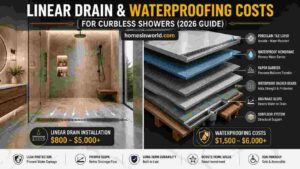
Linear Drain Installation Cost
A linear drain is one of the most important components in a curbless walk-in shower because it controls water flow while maintaining the seamless open-floor design homeowners want in modern bathrooms. Unlike traditional center drains, linear trench drains allow the shower floor to slope in a single direction, making curbless shower construction cleaner, safer, and more visually appealing.
In 2026, the average linear drain shower cost in the USA ranges from $800 to $5,000+ installed depending on:
- drain length
- material quality
- bathroom layout
- waterproofing complexity
- plumbing modifications
- labor rates
While the drain itself may cost only a few hundred dollars, the full trench drain installation process often becomes expensive because contractors must modify the subfloor, adjust plumbing lines, and carefully engineer proper drainage slope throughout the bathroom floor.
Modern linear drain systems are popular in:
- luxury spa bathrooms
- ADA-accessible showers
- aging-in-place remodels
- minimalist bathroom designs
- frameless glass shower installations
Many homeowners choose linear drains because they:
- improve drainage efficiency
- create cleaner tile layouts
- support large-format porcelain tile
- reduce visual clutter
- enhance modern bathroom aesthetics
However, improper installation can lead to:
- standing water
- slow drainage
- mold growth
- waterproofing failures
- leaking bathroom floors
This is why experienced curbless shower contractors are critical for successful installation.
Linear Drain vs Traditional Drain Cost
A trench drain price is usually higher than a traditional center shower drain because linear systems require more specialized installation work and premium materials.
In 2026, homeowners typically spend:
- Traditional shower drain installation: $200–$800
- Linear drain installation: $800–$5,000+
A standard center drain works well in conventional showers because the floor slopes from multiple directions toward a single drain point. However, curbless shower systems often require a single-direction slope, making linear drains the preferred solution.
A shower drain comparison usually shows that linear drains offer:
- better accessibility
- modern luxury appearance
- improved tile design flexibility
- easier wheelchair access
- cleaner water flow management
Premium linear drain systems made from stainless steel or hidden tile-insert designs can increase costs significantly, especially in high-end luxury bathroom remodels.
Many homeowners also prefer trench drains because they work better with:
- frameless glass enclosures
- oversized porcelain slabs
- open-concept bathroom layouts
- spa-style shower designs
Why Linear Drains Increase Remodeling Costs
Custom shower drainage systems are more expensive because they require precise engineering and labor-intensive installation techniques. One of the biggest cost factors is creating the correct shower floor slope to ensure water drains properly without overflowing into the rest of the bathroom.
Unlike standard shower pans, curbless shower floors must:
- remain flush with the bathroom floor
- slope gradually toward the drain
- maintain waterproof protection beneath tile surfaces
This often requires:
- subfloor recessing
- concrete cutting
- floor reinforcement
- custom waterproof membrane installation
- advanced tile leveling systems
Labor costs rise quickly because contractors must carefully coordinate:
- plumbing layout
- waterproofing systems
- tile alignment
- drain placement
- water flow direction
In many remodels, drainage work becomes even more expensive if:
- the home has a concrete slab foundation
- plumbing lines must be relocated
- second-floor bathrooms require structural reinforcement
- old plumbing systems fail inspection
High-end linear drain systems may also include:
- tile-insert covers
- concealed drainage channels
- anti-clog technology
- stainless steel architectural finishes
These luxury upgrades improve appearance and performance but increase overall remodeling costs.
Homeowners planning a curbless shower remodel should also understand that poor drainage design is one of the most common causes of:
- bathroom leaks
- mold problems
- standing water
- grout damage
- tile failure
Investing in proper trench drain installation and waterproofing is often one of the smartest long-term decisions in a luxury bathroom remodel because it protects the bathroom structure while improving functionality, accessibility, and resale value.
Waterproofing Costs for Curbless Showers
Waterproofing is one of the most important — and most overlooked — parts of any curbless walk-in shower remodel. Unlike traditional showers with raised curbs that help contain water, curbless showers rely entirely on proper waterproof membrane installation, floor slope engineering, and drainage systems to prevent leaks and moisture damage.
In 2026, the average shower waterproofing cost for a curbless shower ranges from $1,500 to $6,000+ depending on:
- bathroom size
- waterproofing system used
- tile complexity
- labor rates
- subfloor condition
- drainage design
Many homeowners focus heavily on tile, glass, and fixtures while underestimating how critical waterproofing is to long-term bathroom durability. Poor waterproofing can lead to:
- hidden mold growth
- wood rot
- subfloor damage
- tile cracking
- shower leaks
- expensive structural repairs
Curbless showers require advanced moisture protection because water can easily spread beyond the shower area if drainage slope and waterproof barriers are not installed correctly.
Professional contractors typically use multiple waterproofing layers, including:
- waterproof membranes
- vapor barriers
- waterproof backer boards
- sealants around drains and fixtures
- moisture-resistant grout systems
While waterproofing adds to remodeling costs upfront, it is often the most important investment in the entire shower installation.
Waterproof Membrane Installation Costs
A shower waterproof membrane is the foundation of every properly built curbless shower. In most USA remodeling projects, waterproof membrane installation costs range from $800 to $3,500+ depending on shower size and system complexity.
Modern waterproofing systems may include:
- sheet membranes
- liquid waterproof coatings
- foam shower panels
- vapor barriers
- waterproof backer boards
Waterproofing labor is highly specialized because contractors must seal:
- floor transitions
- wall joints
- drain openings
- shower niches
- bench seating areas
Linear drains and large-format tile often increase waterproofing costs because they require more precise sealing and slope engineering.
Premium systems from professional waterproofing manufacturers may cost more initially but provide:
- longer durability
- leak resistance
- mold prevention
- improved shower lifespan
In luxury bathroom remodels, contractors often perform flood testing before tile installation to ensure the shower pan and waterproof membrane system function correctly.
Mold Prevention & Moisture Protection
Mold prevention is a major concern in curbless shower construction because water can travel farther across bathroom floors without a traditional shower curb to contain moisture.
A moisture resistant bathroom requires:
- proper floor slope
- effective drainage systems
- quality ventilation
- waterproof grout
- sealed tile surfaces
- vapor barrier protection
Bathrooms in humid states like Florida and Texas are especially vulnerable to hidden moisture problems if waterproofing is poorly installed.
Professional remodelers often recommend:
- high-performance exhaust fans
- mold-resistant drywall
- anti-microbial grout
- slip-resistant porcelain tile
- sealed grout joints
Without proper moisture protection, small leaks beneath tile surfaces can remain hidden for months before homeowners notice:
- musty odors
- loose tile
- soft flooring
- wall discoloration
- mold growth
One of the biggest advantages of professional waterproofing systems is long-term protection against expensive moisture-related repairs.
Common Waterproofing Mistakes
Waterproofing failures are one of the most common reasons curbless showers develop long-term structural problems. Even luxury bathroom remodels can fail if contractors skip critical waterproofing steps.
The most common shower leaks happen because of:
- improper drainage slope
- poor membrane sealing
- low-quality grout
- incorrect drain installation
- missing vapor barriers
- unsealed wall penetrations
One major mistake is relying only on tile and grout to stop water. Tile surfaces are not completely waterproof on their own. Water can still penetrate beneath the surface without a professionally installed waterproof membrane system.
Other common remodeling mistakes include:
- insufficient floor slope toward drains
- weak waterproofing around corners
- improper linear drain sealing
- using inexperienced tile installers
- failing to flood-test the shower pan
Homeowners should also avoid contractors who:
- skip waterproof membrane installation
- use cheap waterproofing materials
- rush floor preparation
- lack curbless shower experience
In many cases, fixing waterproofing failures after installation can cost significantly more than doing the job correctly the first time.
Investing in proper waterproofing protects:
- bathroom flooring
- wall framing
- tile systems
- plumbing structures
- long-term home value
For curbless shower remodels, waterproofing is not an optional upgrade — it is the core system that determines whether the bathroom performs safely and reliably for years.
ADA Curbless Shower Cost
An ADA-compliant curbless shower is one of the most practical and valuable bathroom upgrades for homeowners planning long-term accessibility, aging in place, or wheelchair-friendly remodeling. In 2026, the average ADA shower remodel cost in the USA ranges from $10,000 to $30,000+ depending on bathroom size, structural modifications, accessibility features, and custom safety upgrades.
Unlike standard bathroom remodels, ADA-compliant curbless showers must follow strict accessibility guidelines for:
- shower entry width
- floor clearance
- grab bar placement
- slip resistance
- drainage systems
- wheelchair maneuverability
Because these projects often require larger shower layouts and reinforced support systems, handicap accessible shower cost estimates are usually higher than standard curbless shower remodels.
Most ADA-friendly bathroom remodels include:
- barrier-free shower entry
- handheld showerheads
- slip-resistant flooring
- reinforced wall blocking
- fold-down shower seating
- wider entry access
- linear trench drains
- anti-scald plumbing valves
Labor costs also increase because contractors must ensure:
- accurate floor slope
- waterproofing compliance
- safe drainage flow
- proper accessibility clearances
Many homeowners now choose ADA curbless showers not only for medical or mobility reasons but also because they create:
- modern open-concept bathrooms
- safer shower environments
- better long-term usability
- stronger resale appeal
Best Curbless Showers for Seniors
A senior friendly shower focuses on safety, comfort, and easier daily use while maintaining a modern luxury appearance. Aging in place bathroom remodels are becoming increasingly popular across the USA because many homeowners want to remain in their homes comfortably as they get older.
The best curbless showers for seniors typically include:
- zero-threshold entry
- slip-resistant porcelain tile
- grab bars
- built-in shower benches
- handheld shower wands
- wider shower openings
- easy-to-clean surfaces
Most senior-focused curbless shower projects cost between $12,000 and $25,000 depending on customization and bathroom size.
Barrier-free showers reduce fall risks significantly because users do not need to step over raised shower curbs. This is especially important for:
- seniors with mobility limitations
- wheelchair users
- homeowners recovering from injuries
- multi-generational households
Many aging-in-place remodels also prioritize:
- brighter lighting
- anti-slip flooring
- easy-access controls
- lower maintenance materials
These upgrades improve both accessibility and long-term bathroom functionality.
ADA Accessibility Features That Increase Cost
Several ADA bathroom upgrades can increase accessible shower pricing because they require additional labor, structural reinforcement, and specialized materials.
One of the biggest cost factors is expanding the bathroom layout to provide enough turning space for wheelchairs and walkers. Contractors may need to:
- move plumbing lines
- relocate walls
- widen doorways
- reinforce flooring systems
Common accessibility upgrades include:
- fold-down shower seating
- grab bars with wall reinforcement
- handheld shower systems
- anti-slip tile flooring
- pressure-balancing valves
- wider frameless shower openings
- wheelchair-accessible benches
Linear drain systems are also commonly used in ADA curbless showers because they improve drainage while allowing smooth wheelchair movement across the bathroom floor.
Additional costs may come from:
- waterproof membrane upgrades
- custom floor slope engineering
- reinforced subfloor installation
- moisture-resistant wall systems
- advanced ventilation improvements
In some luxury accessibility remodels, homeowners add:
- smart shower controls
- voice-activated fixtures
- heated flooring
- custom lighting systems
These premium features increase comfort and independence but also raise remodeling costs substantially.
Homeowners should also consider that local building codes and ADA compliance requirements may vary depending on:
- state regulations
- permit rules
- residential vs commercial use
- contractor certification standards
Hiring contractors experienced in wheelchair accessible shower installation is critical because ADA remodeling mistakes can affect:
- long-term safety
- accessibility functionality
- waterproofing performance
- resale value
A professionally designed ADA curbless shower combines modern luxury aesthetics with practical safety upgrades, making it one of the smartest long-term investments for homeowners focused on accessibility, comfort, and future-proof bathroom design.
Curbless Shower vs Traditional Shower Cost
Choosing between a curbless shower and a traditional shower is one of the biggest decisions homeowners face during a bathroom remodel. While both options can improve functionality and appearance, the total remodeling costs, accessibility benefits, maintenance requirements, and long-term resale value can differ significantly.
In 2026, the average traditional shower remodel typically costs between $4,000 and $12,000, while most curbless walk-in shower projects range from $8,000 to $25,000+ depending on tile work, drainage systems, waterproofing complexity, and bathroom layout modifications.
The biggest reason curbless shower pricing is higher is because these systems require:
- recessed flooring
- precise drainage slope engineering
- advanced waterproof membrane installation
- linear drain systems
- custom tile preparation
Traditional showers are generally easier and faster to install because they use raised shower pans that naturally contain water without major floor modifications.
However, many homeowners now prefer curbless showers because they offer:
- modern open-concept bathroom design
- luxury spa aesthetics
- wheelchair accessibility
- safer entry for seniors
- stronger high-end buyer appeal
When comparing shower systems, homeowners should consider:
- remodeling budget
- long-term accessibility needs
- bathroom size
- resale value
- maintenance expectations
- installation complexity
Which Shower Type Is Cheaper?
A standard shower cost is usually lower because traditional showers require less labor-intensive construction. Most conventional shower installations use prefabricated shower pans or raised tile curbs that simplify drainage and waterproofing.
Average 2026 pricing:
- Traditional shower remodel: $4,000–$12,000
- Curbless shower remodel: $8,000–$25,000+
Traditional showers are generally cheaper because contractors do not need to:
- recess the subfloor
- redesign bathroom drainage
- install extensive waterproof membrane systems
- engineer seamless floor slopes
For budget-conscious homeowners, standard showers may provide better short-term affordability, especially in:
- guest bathrooms
- rental properties
- small remodel projects
However, curbless shower pricing reflects the additional labor and materials needed to create:
- seamless bathroom flooring
- barrier-free accessibility
- modern luxury aesthetics
While upfront costs are higher, many homeowners consider curbless showers a better long-term investment because of their accessibility and premium appearance.
Which Adds More Home Value?
From a remodeling ROI perspective, curbless showers often provide stronger luxury appeal and modern resale value, especially in updated master bathrooms.
A high-quality curbless shower can improve:
- buyer perception
- bathroom aesthetics
- accessibility functionality
- modern home appeal
Luxury homebuyers increasingly prefer:
- frameless glass enclosures
- oversized walk-in showers
- barrier-free bathroom layouts
- spa-inspired shower designs
As a result, shower resale value for professionally installed curbless systems is often higher in competitive housing markets like California, Florida, and New York.
Traditional showers still perform well for resale in:
- smaller homes
- mid-range remodels
- budget-conscious markets
However, modern bathroom trends strongly favor:
- open layouts
- minimalist design
- aging-in-place accessibility
- luxury spa-style upgrades
Curbless showers also attract:
- older buyers
- multi-generational households
- accessibility-focused homeowners
While ROI varies by market, many remodeling experts believe premium curbless showers can help homes stand out in higher-end real estate listings.
Best Option for Small Bathrooms
Both shower styles can work in compact spaces, but curbless showers often create a more open visual appearance that makes small bathrooms feel larger.
Many small bathroom shower ideas now use:
- frameless glass panels
- large-format porcelain tile
- floating vanities
- linear drains
- seamless flooring transitions
These design elements reduce visual clutter and improve spatial flow in compact bathroom remodel projects.
A compact shower remodel with a curbless design may also improve:
- accessibility
- easier cleaning
- wheelchair maneuverability
- modern aesthetics
However, smaller bathrooms require careful drainage planning because water containment becomes more challenging without a raised shower curb.
Traditional showers may still be the better choice when:
- remodeling budgets are limited
- plumbing changes are difficult
- older homes lack sufficient floor depth
- fast installation is the priority
Homeowners should also understand that tiny bathrooms may require:
- custom floor slope engineering
- smaller linear drains
- strategic glass placement
- high-performance waterproofing systems
For many modern remodels, curbless showers offer the best balance of:
- space efficiency
- luxury appearance
- accessibility
- long-term functionality
especially when designed by contractors experienced in compact bathroom layouts and advanced waterproofing techniques.
Hidden Costs Most Homeowners Ignore
Many homeowners begin a curbless shower remodel expecting to pay mainly for tile, glass, and fixtures. However, some of the biggest hidden shower remodeling costs are often discovered only after demolition begins. In 2026, unexpected repairs and structural upgrades can easily add thousands of dollars to a bathroom renovation budget if homeowners are not properly prepared.
Unlike traditional shower installations, curbless showers require:
- recessed flooring systems
- advanced waterproofing
- drainage slope modifications
- subfloor reinforcement
- precise plumbing alignment
These extra construction requirements increase the risk of uncovering hidden structural or moisture-related issues during remodeling.
Some of the most common shower repair expenses include:
- water-damaged subfloors
- mold remediation
- plumbing code corrections
- permit fees
- outdated drain systems
- floor leveling problems
- ventilation upgrades
In older homes especially, contractors often discover hidden moisture damage beneath existing tile or shower pans. These problems may remain invisible until demolition removes old flooring and wall materials.
Homeowners should also budget for contingency costs because bathroom remodels frequently uncover:
- corroded pipes
- weak floor joists
- leaking drain connections
- inadequate waterproofing from previous renovations
Setting aside an additional 10%–20% remodeling buffer can help prevent major financial surprises during construction.
Subfloor Repair Costs
Bathroom floor repair is one of the most common hidden expenses in curbless shower remodeling projects. Since curbless systems require precise floor slopes and waterproofing, contractors must inspect the condition of the subfloor carefully before installation begins.
Subfloor repair costs typically range from $500 to $5,000+ depending on:
- water damage severity
- mold growth
- flooring material
- structural reinforcement needs
Water damage repair becomes necessary when moisture has weakened:
- plywood subfloors
- floor joists
- concrete surfaces
- surrounding wall framing
In many older bathrooms, years of slow leaks around shower pans or drains create hidden rot beneath the tile surface.
Curbless showers often require additional floor modifications because contractors must recess the shower area to create proper drainage slope without raising the bathroom floor height.
Permit & Inspection Fees
Many homeowners underestimate remodeling permits and shower inspections when budgeting for a bathroom renovation. Permit fees vary widely by city and state, but most curbless shower remodels in the USA require permits if plumbing, electrical systems, or structural flooring are modified.
Typical permit and inspection costs range from $200 to $2,000+ depending on:
- local regulations
- project complexity
- plumbing modifications
- electrical upgrades
Cities with stricter building codes, such as those in California and New York, often require multiple inspections throughout the remodeling process.
Permit costs may include:
- plumbing permits
- electrical permits
- structural permits
- waterproofing inspections
- ADA compliance reviews
Skipping permits can create serious problems later during:
- home sales
- insurance claims
- code enforcement inspections
Professional contractors usually handle permit paperwork, but homeowners should confirm permit fees are included in the remodeling estimate before construction begins.
Drainage & Plumbing Upgrades
Shower drainage problems are one of the biggest hidden risks in curbless shower remodeling because water management is much more complex than in traditional raised-curb showers.
Many homes require plumbing upgrades to support:
- linear trench drains
- larger drain systems
- improved water flow
- updated venting
- modern code compliance
Drainage and plumbing upgrade costs typically range from $1,000 to $7,000+ depending on:
- pipe condition
- drain relocation needs
- slab foundation modifications
- bathroom layout changes
One major hidden expense occurs when contractors discover old plumbing systems that cannot properly support modern curbless shower drainage requirements.
Additional costs may come from:
- concrete slab cutting
- second-floor floor reinforcement
- pipe replacement
- pressure-balancing valve installation
- moisture-resistant plumbing materials
Improper drainage design is one of the leading causes of:
- standing water
- mold growth
- grout deterioration
- waterproofing failures
- long-term shower leaks
Because curbless showers rely heavily on accurate floor slope engineering, even small plumbing mistakes can create major performance problems later.
Homeowners can reduce unexpected expenses by:
- scheduling a plumbing inspection before remodeling
- hiring experienced curbless shower contractors
- avoiding unnecessary drain relocation
- choosing simpler shower layouts when possible
Understanding these hidden remodeling costs early helps homeowners create more realistic renovation budgets while reducing the risk of expensive surprises during construction.
Best Curbless Shower Trends in 2026
Modern curbless shower ideas are evolving rapidly in 2026 as homeowners prioritize luxury spa aesthetics, accessibility, minimalist design, and smarter bathroom technology. Across the USA, curbless walk-in showers are no longer viewed only as accessibility upgrades — they are now considered one of the most desirable features in high-end bathroom remodels.
The latest shower trends in 2026 focus heavily on:
- seamless open-concept layouts
- oversized tile surfaces
- frameless glass enclosures
- smart shower systems
- spa-inspired relaxation spaces
- low-maintenance materials
- luxury minimalist styling
Many homeowners are also designing bathrooms with long-term functionality in mind. This has increased demand for:
- aging-in-place bathrooms
- wheelchair-friendly layouts
- barrier-free shower entry
- slip-resistant flooring
- easy-clean shower surfaces
Luxury spa bathroom designs now blend:
- modern aesthetics
- wellness-focused features
- smart home technology
- advanced waterproofing systems
One major trend is the use of natural neutral color palettes such as:
- warm white
- soft gray
- matte black
- beige stone textures
- warm wood accents
These colors create calming, hotel-inspired spaces while helping smaller bathrooms feel larger and brighter.
In many 2026 remodels, homeowners are also combining curbless showers with:
- floating vanities
- hidden LED lighting
- wall-mounted fixtures
- recessed shelving
- heated flooring systems
This creates a sleek minimalist design that improves both visual appeal and long-term usability.
Smart Shower Technology
Smart shower systems are becoming one of the fastest-growing bathroom remodeling trends in the USA. Homeowners now want more personalized shower experiences with advanced digital shower controls that improve convenience, comfort, and water efficiency.
Popular smart shower upgrades include:
- app-controlled water temperature
- voice-activated shower controls
- programmable shower presets
- LED temperature indicators
- digital touch-screen panels
- water-saving smart valves
These systems allow users to customize:
- water pressure
- shower temperature
- spray settings
- steam features
- lighting preferences
Luxury smart showers may also include:
- built-in speakers
- aromatherapy steam systems
- smart humidity controls
- automatic shutoff technology
While smart technology increases remodeling costs, many homeowners see it as a premium long-term investment that improves both comfort and modern home value.
Minimalist Spa Bathroom Designs
A luxury spa bathroom is one of the most influential trends shaping modern bathroom remodel projects in 2026. Homeowners increasingly want bathrooms that feel relaxing, open, and visually uncluttered.
Modern bathroom remodel designs now emphasize:
- frameless glass shower walls
- seamless flooring transitions
- floating benches
- hidden storage
- soft indirect lighting
- natural stone textures
Curbless showers are ideal for minimalist spa-style layouts because they remove bulky visual barriers and create a smooth open appearance throughout the bathroom.
Many upscale remodels also feature:
- rainfall showerheads
- oversized niches
- matte black hardware
- floating wood vanities
- recessed LED lighting
- integrated shower benches
Minimalist bathrooms focus heavily on:
- clean lines
- fewer visual interruptions
- easy maintenance
- calming color schemes
Large open curbless showers paired with frameless glass help small and medium-sized bathrooms feel significantly larger.
Large Format Tile Trends
Porcelain slab shower installations and oversized bathroom tile designs are becoming increasingly popular in luxury curbless shower remodels because they create a cleaner, more seamless appearance with fewer grout lines.
Large-format tile trends in 2026 include:
- marble-look porcelain slabs
- matte textured tile
- oversized stone patterns
- concrete-style finishes
- floor-to-ceiling porcelain walls
Oversized bathroom tile improves:
- visual openness
- moisture resistance
- easier maintenance
- modern luxury aesthetics
Large porcelain slabs are especially popular in curbless showers because they complement:
- frameless glass enclosures
- minimalist design
- open-concept layouts
Fewer grout lines also reduce:
- mold buildup
- cleaning maintenance
- moisture penetration risks
However, large-format tile installation requires:
- advanced leveling systems
- precision cutting
- experienced tile contractors
- proper waterproof membrane support
Because of the labor complexity, porcelain slab shower projects are usually more expensive than standard ceramic tile remodels.
Homeowners investing in modern curbless shower trends should prioritize:
- quality waterproofing systems
- experienced installers
- slip-resistant flooring
- durable low-maintenance materials
to ensure the bathroom remains both stylish and functional for many years.
Expert Tips to Save Money on Curbless Shower Remodeling
A curbless shower remodel can dramatically improve bathroom appearance, accessibility, and home value, but many homeowners worry about the higher installation costs compared to traditional shower systems. The good news is that with smart planning and the right contractor decisions, it is possible to create an affordable curbless shower without sacrificing quality or long-term durability.
In 2026, homeowners across the USA are increasingly searching for cheap curbless shower ideas because labor costs, tile pricing, and waterproofing expenses continue to rise. While luxury spa-style bathrooms can exceed $25,000, many budget-conscious remodels can stay within the $6,000–$12,000 range by focusing on cost-efficient upgrades and avoiding unnecessary customizations.
The key to a successful budget bathroom remodel is understanding which features truly matter for:
- waterproofing performance
- accessibility
- long-term maintenance
- drainage efficiency
- resale appeal
Many homeowners overspend on:
- luxury imported tile
- excessive plumbing relocation
- oversized custom glass
- unnecessary structural changes
Instead, focusing on smart design choices and practical materials can significantly reduce overall remodeling expenses.
Some of the best ways to save money include:
- keeping the existing shower layout
- using prefab shower systems
- choosing mid-range porcelain tile
- simplifying glass enclosure designs
- comparing multiple contractor estimates
- avoiding unnecessary luxury upgrades
A well-designed curbless shower does not need to be ultra-expensive to look modern and high-end.
Keep Existing Plumbing Locations
One of the best ways to save plumbing costs during a curbless shower remodel is to keep the existing drain and plumbing layout in the same location.
Moving plumbing lines often requires:
- floor demolition
- concrete cutting
- pipe relocation
- subfloor reconstruction
- additional permit inspections
These upgrades can quickly add thousands of dollars to bathroom remodeling costs.
Smart bathroom remodeling tips include:
- keeping shower walls in place
- reusing existing water lines
- minimizing structural changes
- using the current drain position whenever possible
Even when installing a linear trench drain, contractors may be able to adapt the existing plumbing system rather than fully relocating pipes.
Homeowners who maintain the original bathroom layout often reduce:
- labor costs
- plumbing expenses
- construction time
- permit fees
while still achieving a modern curbless shower appearance.
Choose Budget-Friendly Materials
Material selection has a major impact on affordable shower materials pricing. Many homeowners assume they need luxury imported tile or designer fixtures to achieve a premium look, but several cheap tile alternatives now offer impressive durability and modern aesthetics at lower prices.
Budget-friendly options include:
- porcelain tile instead of natural stone
- prefab shower systems
- fiberglass shower panels
- standard frameless glass
- ceramic wall tile
- matte-finish porcelain flooring
Porcelain remains one of the best values because it offers:
- water resistance
- low maintenance
- realistic stone appearance
- durability
- easier cleaning
Prefab shower systems can also lower installation costs significantly because they:
- reduce waterproofing labor
- install faster
- simplify drainage setup
- minimize tile work
Homeowners can also save money by:
- limiting custom niches
- choosing standard fixture sizes
- avoiding oversized glass panels
- using simpler tile patterns
These choices reduce both material and labor costs without sacrificing overall bathroom style.
Compare Multiple Contractor Quotes
Getting several remodeling estimates is one of the smartest ways to control contractor pricing and avoid overpaying for a curbless shower installation.
Labor rates vary widely depending on:
- contractor experience
- region
- project complexity
- bathroom size
- waterproofing requirements
Homeowners should always compare at least:
- three licensed contractors
- detailed material breakdowns
- labor warranties
- waterproofing methods
- estimated timelines
The cheapest contractor is not always the best option. Poor workmanship can lead to:
- shower leaks
- drainage failures
- mold growth
- cracked tile
- expensive future repairs
Instead, focus on contractors with:
- curbless shower experience
- strong reviews
- waterproofing expertise
- proper licensing
- detailed written estimates
Ask contractors specific questions about:
- waterproof membrane systems
- floor slope design
- drainage installation
- flood testing procedures
Experienced remodelers may charge more upfront, but quality installation often saves homeowners thousands of dollars in future repair costs.
Careful planning, realistic budgeting, and smart material choices can make a curbless shower remodel far more affordable while still delivering the modern luxury appearance and accessibility benefits homeowners want in 2026.
Curbless Walk-In Shower Cost Tables (USA 2026)
The average curbless walk-in shower remodel in the USA ranges from approximately $8,000 to $25,000+ depending on waterproofing complexity, tile materials, labor rates, and drainage modifications. Luxury spa-style remodels can exceed $35,000 in high-cost states. (oakwoodremodel.com)
Average Curbless Shower Cost by Project Type
| Curbless Shower Type | Low-End Cost | Average Cost | Premium Cost | Typical Features |
| Prefabricated Curbless Shower | $5,000 | $8,000 | $12,000 | Acrylic base, basic waterproofing, standard fixtures |
| Mid-Range Tile Curbless Shower | $10,000 | $15,000 | $22,000 | Porcelain tile, frameless glass, linear drain |
| Luxury Spa-Style Curbless Shower | $18,000 | $28,000 | $45,000+ | Heated floors, smart shower, premium tile |
| ADA Accessible Curbless Shower | $12,000 | $20,000 | $35,000+ | Grab bars, wheelchair access, safety upgrades |
| Tub-to-Curbless Shower Conversion | $6,000 | $12,000 | $25,000+ | Demolition, plumbing relocation, waterproofing |
Source pricing based on 2026 USA remodeling averages. (oakwoodremodel.com)
Curbless Shower Labor Cost Breakdown
| Labor Category | Low-End Labor | Average Labor | Premium Labor |
| Demolition & Removal | $500 | $1,200 | $3,000 |
| Waterproofing Labor | $800 | $2,000 | $5,000 |
| Tile Installation Labor | $1,500 | $4,000 | $10,000+ |
| Plumbing & Drainage Labor | $1,000 | $3,000 | $7,000 |
| Linear Drain Installation | $600 | $1,500 | $4,000 |
| Frameless Glass Installation | $800 | $2,500 | $6,000 |
| Electrical & Lighting Upgrades | $300 | $1,200 | $4,000 |
Curbless showers require significantly more labor than traditional showers because installers must engineer proper drainage slope and advanced waterproofing systems. (Angi)
Curbless Shower Material Cost Table
| Material Type | Budget Cost | Average Cost | Luxury Cost |
| Fiberglass Shower Panels | $700 | $1,500 | $3,000 |
| Acrylic Shower Systems | $1,000 | $2,500 | $5,000 |
| Ceramic Tile | $2/sq ft | $8/sq ft | $15/sq ft |
| Porcelain Tile | $5/sq ft | $12/sq ft | $25/sq ft |
| Natural Stone Tile | $10/sq ft | $25/sq ft | $60+/sq ft |
| Frameless Glass Enclosure | $1,500 | $3,500 | $8,000+ |
| Linear Drain System | $300 | $1,000 | $3,500 |
Large-format porcelain slabs and premium frameless glass systems are among the fastest-growing luxury bathroom trends in 2026. (NP Line Design)
Curbless Shower Cost by Bathroom Size
| Shower Size | Low-End Cost | Average Cost | Luxury Cost |
| Small 36×36 Curbless Shower | $5,500 | $8,500 | $14,000 |
| Standard 48×60 Shower | $8,000 | $14,000 | $22,000 |
| Master Bathroom Curbless Shower | $12,000 | $20,000 | $35,000+ |
| Oversized Spa Shower | $20,000 | $32,000 | $50,000+ |
Larger bathrooms increase tile, waterproofing, glass, and labor expenses significantly. (TruVine Renovations –)
State-Wise Curbless Shower Cost Estimates (2026)
| State | Low-End Cost | Average Cost | Luxury Cost | Main Cost Factors |
| Texas | $7,000 | $13,000 | $24,000 | Lower labor rates |
| Florida | $8,500 | $15,000 | $28,000 | Waterproofing & humidity protection |
| California | $12,000 | $22,000 | $45,000+ | High labor & permit costs |
| New York | $11,000 | $20,000 | $40,000+ | Premium contractor pricing |
| Pennsylvania | $7,500 | $14,000 | $26,000 | Moderate labor pricing |
| Michigan | $6,500 | $12,000 | $22,000 | Lower regional costs |
Luxury remodeling markets like California and New York continue seeing strong demand for spa-style curbless shower upgrades in 2026. (NP Line Design)
Hidden Costs Most Homeowners Ignore
| Hidden Remodeling Expense | Typical Cost Range |
| Subfloor Water Damage Repair | $500–$5,000 |
| Mold Remediation | $1,000–$6,000 |
| Permit & Inspection Fees | $200–$2,000 |
| Plumbing Relocation | $1,500–$7,000 |
| Concrete Slab Cutting | $2,000–$8,000 |
| Structural Floor Reinforcement | $1,500–$10,000 |
| Ventilation Upgrades | $300–$2,500 |
Waterproofing failures and improper drainage slope are among the most common causes of expensive future repairs in curbless shower remodels. (Angi)
2026 Savings Opportunities for Curbless Shower Remodeling
| Money-Saving Strategy | Potential Savings |
| Keep Existing Plumbing Layout | Save $1,000–$5,000 |
| Use Prefab Shower Systems | Save $2,000–$8,000 |
| Choose Ceramic Instead of Natural Stone | Save $3,000–$10,000 |
| Limit Custom Glass Work | Save $1,500–$5,000 |
| Compare Multiple Contractor Quotes | Save 10%–25% |
| Avoid Major Structural Changes | Save $2,000–$12,000 |
| Use Mid-Range Porcelain Tile | Save $2,000–$7,000 |
Many homeowners reduce remodeling costs significantly by combining prefab shower systems with mid-range porcelain tile and standard frameless glass. (carefreehomepros.com)
Common Curbless Shower Remodeling Mistakes to Avoid
A curbless walk-in shower can completely transform a bathroom with modern luxury styling, better accessibility, and improved resale appeal. However, these projects are also far more technically demanding than traditional shower installations. Small construction mistakes can lead to expensive long-term problems involving leaks, drainage failures, mold growth, and structural damage.
In 2026, many homeowners underestimate how much engineering and waterproofing expertise is required for a successful curbless shower remodel. Unlike raised shower pans that naturally contain water, curbless showers depend entirely on:
- precise floor slope
- advanced waterproof membrane systems
- proper drainage flow
- expert tile installation
- high-quality labor
Unfortunately, many bathroom renovation errors happen because homeowners:
- hire inexperienced contractors
- choose low-quality materials
- skip waterproofing upgrades
- rush the installation process
- focus only on appearance instead of functionality
The most common shower remodeling mistakes often lead to:
- standing water
- cracked tile
- leaking subfloors
- mold problems
- costly repairs
Understanding these issues before construction begins can help homeowners avoid thousands of dollars in future repair expenses.
Ignoring Waterproofing
One of the biggest causes of curbless shower failure is poor waterproof membrane installation. Many homeowners incorrectly assume tile and grout alone can stop water penetration, but this is not true. Without a properly sealed waterproofing system beneath the tile, moisture can slowly seep into the subfloor and surrounding walls.
Professional shower leak prevention requires:
- waterproof membranes
- vapor barriers
- sealed drain connections
- waterproof backer boards
- flood-tested shower pans
Waterproofing mistakes often occur around:
- shower corners
- linear drains
- niches
- benches
- plumbing penetrations
Once water reaches the subfloor, homeowners may face:
- mold growth
- wood rot
- loose tile
- structural weakening
Experienced contractors typically use layered waterproofing systems specifically designed for curbless shower environments where water exposure extends beyond the immediate shower area.
Incorrect Floor Slope Installation
Improper shower drainage slope is one of the most serious technical mistakes in a curbless shower remodel. Since there is no raised curb to contain water, the bathroom floor must be carefully angled toward the drain to prevent standing water problems.
If the slope is too shallow:
- water pools on the floor
- drainage slows
- mold risk increases
- grout deteriorates faster
If the slope is too steep:
- walking becomes uncomfortable
- wheelchair accessibility suffers
- tile alignment issues appear
Professional curbless shower installations require precise slope calculations to maintain:
- smooth water flow
- bathroom safety
- ADA accessibility
- visual tile consistency
Linear trench drains are commonly used because they simplify floor sloping in one direction, especially in large-format tile showers.
Drainage problems often happen when contractors:
- rush floor preparation
- fail to level subfloors properly
- use inexperienced tile installers
- install drains incorrectly
Homeowners should always verify that contractors have specific experience with:
- curbless drainage systems
- linear drain installation
- waterproof slope engineering
because correcting floor slope problems after tile installation can become extremely expensive.
Hiring Inexperienced Contractors
One of the most costly remodeling contractor risks is hiring installers who lack curbless shower experience. Many general contractors understand standard bathroom remodels but are unfamiliar with the specialized waterproofing and drainage requirements of barrier-free shower systems.
Inexperienced installers may:
- skip waterproof membranes
- miscalculate floor slope
- install drains incorrectly
- use improper tile adhesives
- ignore ventilation requirements
These mistakes can create major long-term bathroom renovation problems that may not appear until months after installation.
Homeowners should also watch for bathroom renovation scams involving:
- unrealistically low estimates
- vague contracts
- no waterproofing warranty
- missing permits
- poor-quality materials
Before hiring a contractor, homeowners should:
- request proof of licensing
- review past curbless shower projects
- ask about waterproofing methods
- verify insurance coverage
- check online reviews
- request detailed written estimates
A properly installed curbless shower requires coordination between:
- plumbers
- tile specialists
- waterproofing experts
- frameless glass installers
Choosing experienced professionals may increase upfront labor costs slightly, but it significantly reduces the risk of expensive future repairs, waterproofing failures, and structural bathroom damage.
Does a Curbless Shower Increase Home Value?
A professionally designed curbless walk-in shower can significantly improve both bathroom functionality and overall home appeal, especially in today’s competitive real estate market. In 2026, modern buyers increasingly prioritize luxury bathrooms, accessibility features, and spa-style shower designs, making curbless showers one of the most desirable bathroom upgrades in many USA housing markets.
The curbless shower resale value advantage comes from its combination of:
- modern aesthetics
- accessibility benefits
- luxury appearance
- easier maintenance
- open-concept bathroom design
Unlike traditional showers with bulky raised curbs, curbless systems create a seamless visual flow that makes bathrooms appear:
- larger
- brighter
- more modern
- more upscale
Many homeowners also view a curbless shower as a long-term remodeling investment because it supports aging in place while appealing to younger buyers who want minimalist luxury bathroom trends.
High-end real estate listings increasingly feature:
- frameless glass walk-in showers
- large-format porcelain tile
- spa-inspired layouts
- smart shower systems
- barrier-free accessibility
These upgrades can improve buyer perception and help homes stand out in competitive markets like California, Florida, Texas, and New York.
However, resale impact depends heavily on:
- installation quality
- waterproofing performance
- bathroom layout
- material selection
- overall remodel design
Poorly installed curbless showers with drainage issues or cheap finishes may hurt value instead of improving it.
ROI for Modern Bathroom Remodels
A bathroom renovation ROI varies depending on location, home price range, and remodel quality, but bathroom upgrades consistently rank among the most valuable home improvement projects in the USA.
Modern curbless shower remodels often deliver strong home value improvement because buyers increasingly associate:
- open showers
- luxury tile work
- frameless glass
- accessibility upgrades
with premium home design.
Mid-range bathroom remodels typically recover a significant percentage of their cost at resale, while upscale spa-style bathrooms can improve:
- listing appeal
- buyer engagement
- perceived home quality
Curbless showers are especially attractive to:
- aging homeowners
- luxury buyers
- multi-generational families
- accessibility-focused buyers
Real estate professionals frequently note that updated bathrooms help homes:
- photograph better online
- attract more showings
- create stronger first impressions
Homeowners planning to sell within a few years should prioritize:
- timeless tile colors
- quality waterproofing
- durable materials
- neutral luxury styling
to maximize long-term remodeling ROI.
Features Buyers Want in 2026
The most popular luxury shower features in 2026 combine modern convenience, wellness-focused design, and minimalist aesthetics. Buyers increasingly want bathrooms that feel like private spa retreats rather than basic functional spaces.
Top modern bathroom trends include:
- frameless glass shower enclosures
- oversized curbless showers
- rainfall showerheads
- linear trench drains
- large-format porcelain slab walls
- matte black fixtures
- floating vanities
- recessed LED lighting
Many buyers also prioritize accessibility-focused upgrades such as:
- barrier-free shower entry
- slip-resistant flooring
- wider shower openings
- built-in shower seating
Smart technology is another growing trend. Luxury remodels often include:
- digital shower controls
- voice-activated systems
- programmable water temperature settings
- heated flooring
- anti-fog mirrors
Homeowners are also moving toward:
- low-maintenance materials
- mold-resistant surfaces
- easy-clean tile finishes
- minimalist spa-inspired layouts
One major advantage of curbless showers is their ability to combine:
- luxury appearance
- long-term accessibility
- practical functionality
within a single bathroom upgrade.
For homeowners considering future resale potential, investing in quality waterproofing, durable materials, and timeless modern design usually provides the strongest balance between remodeling costs and long-term home value improvement.
Frequently Asked Questions About Curbless Shower Costs
Curbless shower remodeling has become one of the fastest-growing bathroom renovation trends in the USA because homeowners want modern luxury design, improved accessibility, and spa-style functionality. However, many people still have important zero entry shower questions about pricing, waterproofing, drainage systems, and long-term maintenance.
These frequently asked questions help homeowners better understand how barrier free shower systems work and what to expect before starting a shower installation project in 2026.
Are Curbless Showers More Expensive?
Yes, curbless showers are usually more expensive than traditional showers because they require:
- advanced waterproofing systems
- recessed floor construction
- custom drainage slope engineering
- linear drain installation
- specialized tile labor
In 2026, most curbless shower remodels in the USA range from $8,000 to $25,000+, while traditional shower remodels are often less expensive.
Luxury upgrades such as:
- frameless glass
- porcelain slab walls
- heated floors
- smart shower controls
can increase costs even further.
However, many homeowners consider the added expense worthwhile because curbless showers provide:
- modern aesthetics
- easier accessibility
- improved resale value
- luxury spa appeal
Do Curbless Showers Leak?
A properly installed curbless shower should not leak. Most water problems happen because of:
- poor waterproof membrane installation
- incorrect floor slope
- low-quality drainage systems
- inexperienced contractors
Professional curbless shower systems use:
- waterproof membranes
- vapor barriers
- sealed linear drains
- precision floor grading
to prevent water from escaping the shower area.
Flood testing before tile installation is also critical for long-term waterproofing performance.
How Much Slope Does a Curbless Shower Need?
A curbless shower floor needs a gentle slope toward the drain so water flows correctly without pooling on the bathroom floor.
Professional contractors carefully calculate the shower drainage slope based on:
- shower size
- drain location
- tile type
- accessibility requirements
Linear trench drains are commonly used because they allow the floor to slope in one direction rather than multiple directions.
Improper slope installation can lead to:
- standing water
- slippery floors
- mold growth
- drainage issues
This is why curbless showers require experienced installers familiar with waterproofing and floor engineering.
Are Curbless Showers Good for Seniors?
Yes, curbless showers are considered one of the best bathroom upgrades for seniors and aging-in-place remodeling.
Barrier-free entry eliminates the need to step over raised shower curbs, reducing fall risks significantly.
Senior-friendly curbless showers often include:
- grab bars
- slip-resistant tile
- handheld showerheads
- built-in benches
- wider shower openings
These accessibility upgrades improve both safety and comfort while maintaining a modern luxury appearance.
Many homeowners now install curbless showers proactively for long-term mobility planning.
What Flooring Works Best for Curbless Showers?
Slip-resistant porcelain tile is one of the best flooring materials for curbless shower systems because it offers:
- water resistance
- durability
- low maintenance
- strong traction
- modern aesthetics
Small mosaic tile is also popular because the additional grout lines improve grip and flexibility for floor slopes.
Large-format porcelain slabs are trending in luxury bathrooms because they reduce grout lines and create a cleaner spa-style appearance.
Homeowners should avoid slippery polished surfaces that become dangerous when wet.
Can You Install a Curbless Shower Upstairs?
Yes, curbless showers can be installed on second floors, but the project may require:
- floor reinforcement
- subfloor modifications
- plumbing adjustments
- drainage engineering
Upstairs installations are often more complicated because contractors must ensure the bathroom floor can support:
- waterproofing systems
- floor recessing
- proper drainage slope
Older homes may require additional structural upgrades before installation begins.
Hiring experienced contractors is especially important for second-story curbless shower projects.
How Long Does Curbless Shower Installation Take?
Most curbless shower remodels take approximately:
- 1–3 weeks for standard installations
- 3–6 weeks for luxury custom remodels
Project timelines depend on:
- bathroom size
- tile complexity
- waterproofing systems
- plumbing changes
- permit inspections
Custom tile work, frameless glass fabrication, and structural floor modifications can extend installation timelines significantly.
Luxury spa-style remodels usually take longer because they involve:
- custom waterproofing
- advanced drainage systems
- high-end finishes
- detailed tile installation
Do Curbless Showers Increase Home Value?
In many modern housing markets, curbless showers can improve bathroom remodel ROI and overall buyer appeal.
Homebuyers increasingly prefer:
- open-concept bathrooms
- frameless glass showers
- accessibility-friendly layouts
- spa-inspired luxury design
Professionally installed curbless showers may help homes:
- photograph better online
- attract luxury buyers
- stand out in listings
- improve perceived home quality
However, resale value depends heavily on:
- installation quality
- waterproofing performance
- material selection
- overall bathroom design
Are Curbless Showers Hard to Clean?
Most curbless showers are actually easier to clean than traditional shower systems because they have:
- fewer corners
- no raised curb
- fewer visual barriers
- simpler glass layouts
Large-format porcelain tile and frameless glass also reduce grout lines and cleaning maintenance.
However, proper drainage is critical because poor water flow can create:
- soap buildup
- standing water
- mildew growth
Many homeowners choose curbless showers specifically because they simplify long-term bathroom maintenance.
What Is the Downside of Curbless Showers?
The biggest downside of curbless showers is the higher installation complexity and cost compared to traditional shower systems.
Potential disadvantages include:
- more expensive waterproofing
- complex drainage requirements
- longer installation timelines
- higher labor costs
- increased risk of leaks if installed incorrectly
Curbless showers also require careful floor slope engineering to prevent water from spreading outside the shower area.
Despite these challenges, many homeowners still choose curbless showers because of their:
- luxury appearance
- accessibility benefits
- modern resale appeal
- spa-style functionality
- long-term convenience