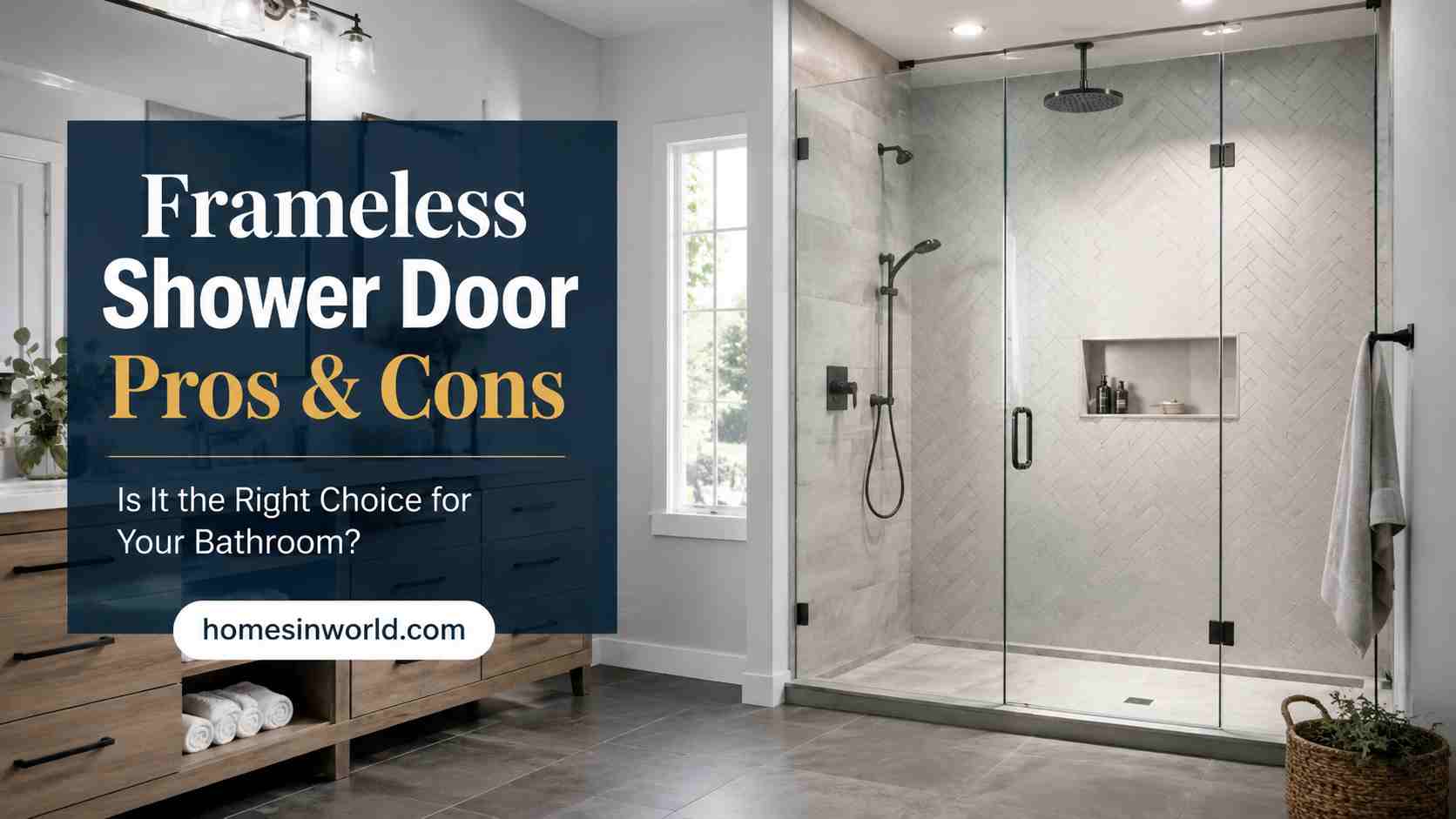
Frameless Shower Door Pros and Cons
In this guide, we break down the real frameless shower door pros and cons based on modern USA remodeling trends, practical installation factors, maintenance considerations, and long-term value. You will learn how frameless shower doors compare to framed and semi-frameless systems, what professional installers recommend, how much they typically cost, and which glass thickness works best for different bathroom layouts.
If you are planning a bathroom remodel in 2026, chances are you have already seen the sleek, modern look of frameless shower doors everywhere — from luxury master bathrooms to high-end walk-in shower renovations across the USA. Their clean glass design, minimal hardware, and open appearance have made them one of the most popular upgrades in modern bathroom remodeling.
But are frameless shower doors actually worth the higher cost?
That is the question many homeowners ask before investing thousands of dollars into a new shower enclosure. While frameless shower doors can dramatically improve the look of a bathroom, they also come with important drawbacks that many remodeling websites fail to explain clearly.
Some homeowners love the upscale appearance and easy-to-clean glass panels. Others worry about water leaks, heavy glass installation, maintenance, and long-term durability. The truth is that frameless shower doors are not perfect for every bathroom remodel.
In this guide, we break down the real frameless shower door pros and cons based on modern USA remodeling trends, practical installation factors, maintenance considerations, and long-term value. You will learn how frameless shower doors compare to framed and semi-frameless systems, what professional installers recommend, how much they typically cost, and which glass thickness works best for different bathroom layouts.
Whether you are remodeling a luxury master bathroom, upgrading a small walk-in shower, or comparing shower enclosure options for resale value, understanding the advantages and disadvantages of frameless shower doors can help you avoid expensive remodeling mistakes and choose the best shower design for your home.
What Are Frameless Shower Doors?
Frameless shower doors are modern glass shower enclosures designed with thick tempered glass panels and minimal visible metal framing. Unlike traditional framed shower doors that rely on bulky aluminum edges for structural support, frameless shower doors use heavy-duty shower enclosure hardware such as hinges, clips, support bars, and reinforced mounting brackets to hold the glass securely in place.
In most USA bathroom remodels, frameless glass shower enclosures are considered a premium upgrade because they create a cleaner, more open appearance that works especially well in luxury bathrooms, walk-in showers, and contemporary remodeling projects. The transparent glass design allows tile walls, stone textures, and custom shower finishes to remain fully visible, which helps bathrooms feel larger and more modern.
Most frameless shower doors use:
- 3/8-inch tempered glass
- 1/2-inch tempered safety glass
- heavy glass shower systems
- corrosion-resistant hardware
- minimal metal framing
Because the glass itself provides much of the structural strength, frameless shower systems require thicker and heavier panels than standard framed shower doors. This creates a more solid and upscale feel but also increases installation complexity and cost.
Common hardware used in frameless shower doors includes:
- pivot hinges
- wall-mounted brackets
- glass clamps
- support bars
- magnetic seals
- waterproof sweeps
Professional installers often recommend frameless shower doors for:
- luxury master bathrooms
- curbless walk-in showers
- modern minimalist bathroom designs
- custom shower enclosures
- bathrooms with premium tile work
One reason frameless shower doors have become so popular in recent USA remodeling trends is their ability to improve visual space. Even smaller bathrooms can feel more open because the clear glass eliminates the heavy visual barriers created by thick metal framing.
However, frameless shower systems require precise installation and proper waterproofing. Uneven walls, incorrect shower slopes, or poor hardware alignment can create long-term maintenance or leakage problems if not handled correctly during the remodeling process.
How Frameless Shower Doors Differ From Framed Doors
The biggest difference between framed vs frameless shower doors is the amount of structural metal framing surrounding the glass panels. Framed shower doors use aluminum frames around the edges of thinner glass panels, while frameless shower doors rely on thick tempered glass and reinforced glass support systems for stability.
In a standard shower enclosure comparison, framed shower doors are usually:
- less expensive
- easier to install
- better at water containment
- more traditional in appearance
Frameless shower doors, on the other hand, are known for:
- minimalist shower design
- luxury bathroom aesthetics
- cleaner visual lines
- easier cleaning access
- modern remodeling appeal
Because framed shower doors use thinner glass supported by metal framing, they typically feel lighter and more budget-friendly. Frameless systems use heavy glass panels that create a sturdier and more premium appearance but require stronger mounting hardware and professional installation expertise.
Another major difference is maintenance. Framed shower doors often collect soap scum, mildew, and moisture inside metal tracks, while frameless glass shower enclosures have fewer areas where buildup can accumulate. This makes cleaning easier for many homeowners.
Common Types of Frameless Shower Doors
There are several popular frameless shower door styles used in modern walk-in showers and custom shower enclosures across the USA. The best option usually depends on bathroom size, layout, and remodeling goals.
Frameless Sliding Shower Doors
Frameless sliding shower doors use smooth-gliding glass panels that slide horizontally along minimal hardware tracks. These are popular for:
- smaller bathrooms
- tub-shower combinations
- narrow walk-in showers
- space-saving layouts
Sliding systems create a sleek modern appearance without requiring extra clearance space for door swings.
Frameless Pivot Shower Doors
Frameless pivot shower doors swing outward using heavy-duty pivot hinges mounted directly to the wall or glass panel. These are commonly used in:
- luxury bathroom remodels
- large walk-in showers
- curbless shower designs
- custom spa-style bathrooms
Pivot-style frameless shower doors often create the most luxurious appearance because they use minimal hardware and large uninterrupted glass panels.
Other common frameless shower enclosure styles include:
- inline shower doors
- corner shower enclosures
- neo-angle frameless showers
- fixed glass panel walk-in showers
Choosing the right shower door style depends on:
- bathroom dimensions
- traffic flow
- shower layout
- waterproofing design
- remodeling budget
- preferred aesthetic style
Many professional remodelers recommend evaluating functionality first before selecting a frameless shower design purely for appearance.
Pros of Frameless Shower Doors
The benefits of frameless shower doors go far beyond appearance alone. In modern bathroom remodeling projects across the USA, frameless shower systems are often considered one of the most valuable upgrades for creating a clean, upscale, and contemporary bathroom design. Their minimalist structure, thick tempered glass panels, and premium hardware help transform standard shower spaces into luxury bathroom features that feel more open and visually impressive.
Unlike traditional framed shower enclosures, frameless shower doors eliminate bulky metal borders and heavy tracks that can make bathrooms feel dated or visually crowded. This modern design approach has made frameless shower door advantages especially popular in:
- luxury master bathroom remodels
- modern walk-in showers
- spa-inspired bathrooms
- curbless shower installations
- high-end home renovations
Many professional remodelers also recommend frameless shower systems because they pair well with:
- large-format tile
- marble shower walls
- custom stone finishes
- matte black hardware
- minimalist bathroom layouts
Beyond aesthetics, frameless shower doors also offer practical advantages related to maintenance, visibility, and long-term bathroom appeal. Homeowners who invest in premium shower systems often prioritize both functionality and design quality, which is why frameless enclosures continue to dominate modern bathroom remodeling trends in 2026.
Modern Luxury Appearance
One of the biggest reasons homeowners choose luxury frameless shower doors is their sleek and modern appearance. Thick clear glass panels create a seamless visual flow that instantly makes bathrooms feel more upscale and professionally designed.
In many upscale bathroom remodel projects, frameless glass becomes a centerpiece rather than just a functional shower barrier. Because there is minimal visible hardware, the focus stays on:
- custom tile work
- natural stone textures
- rainfall shower systems
- elegant lighting
- modern bathroom shower design
A minimalist shower enclosure also works extremely well in contemporary homes where clean lines and open space are priorities. Frameless shower systems create a spa-like atmosphere that framed shower doors often cannot match.
Professional designers frequently recommend frameless enclosures for:
- luxury primary bathrooms
- modern farmhouse interiors
- minimalist bathrooms
- contemporary walk-in showers
- high-end remodeling projects
Large uninterrupted glass panels also allow more natural and artificial light to move throughout the bathroom, helping the entire space feel brighter and more open.
Makes Small Bathrooms Feel Larger
Frameless shower doors for small bathrooms are especially popular because they help create the illusion of a larger and less crowded space. Traditional framed shower doors visually break up the room with thick metal framing, while transparent glass panels maintain a more continuous sightline.
This is one reason many designers use frameless systems in:
- compact guest bathrooms
- condo remodels
- apartment renovations
- narrow walk-in showers
- smaller master bathrooms
An open bathroom layout feels less boxed in when the eye can move naturally across clear glass instead of stopping at heavy framing or opaque shower curtains.
Many homeowners are surprised by how much larger a bathroom can appear simply by replacing an older framed enclosure with a frameless glass shower system.
Easier to Clean Than Framed Shower Doors
Another major advantage of easy-clean shower glass is reduced maintenance compared to traditional framed systems. Framed shower doors often contain metal tracks and corners where soap scum buildup, mildew, and moisture collect over time.
Frameless shower door maintenance is generally simpler because there are:
- some metal tracks
- fewer crevices
- fewer hidden moisture areas
- smoother glass surfaces
This makes routine cleaning faster and helps bathrooms maintain a cleaner appearance with less effort.
However, homeowners should still understand that frameless glass is not completely maintenance-free. Hard water stains and mineral deposits can still appear on clear tempered glass if the shower is not wiped down regularly.
To reduce maintenance issues, many remodeling professionals recommend:
- protective glass coatings
- water softeners
- daily squeegee use
- low-iron coated shower glass
High-quality shower hardware with corrosion-resistant finishes can also improve long-term durability and reduce cleaning concerns in humid bathroom environments.
Increases Home Resale Appeal
Frameless shower doors home value benefits are another reason these systems remain popular in modern remodeling projects. Bathrooms are one of the most important areas buyers evaluate when touring homes, and luxury bathroom upgrades can significantly improve visual appeal.
A frameless glass shower enclosure often creates a more expensive and professionally remodeled appearance, even when the overall bathroom size is modest.
In many USA housing markets, buyers associate frameless shower systems with:
- updated homes
- luxury finishes
- modern remodeling quality
- premium bathroom design
- move-in-ready condition
From a bathroom remodeling ROI perspective, frameless shower doors may help:
- improve buyer impressions
- increase perceived home value
- modernize outdated bathrooms
- strengthen resale competitiveness
Real estate professionals frequently note that updated bathrooms and kitchens tend to have the strongest influence on buyer perception during home showings.
Homeowners planning to sell within the next several years often choose frameless shower doors because they combine visual impact with practical long-term remodeling value.
Cons of Frameless Shower Doors
While frameless shower systems offer a sleek and modern appearance, homeowners should also understand the disadvantages of frameless shower doors before starting a bathroom remodel. These premium shower enclosures can create a luxurious spa-like design, but they also come with practical challenges related to cost, maintenance, waterproofing, and installation complexity.
Many frameless shower door problems happen because homeowners focus only on appearance without considering long-term functionality or bathroom layout requirements. In some situations, a framed or semi-frameless enclosure may actually be a more practical choice.
Because frameless systems use thick tempered glass panels and minimal sealing components, they require:
- precise installation
- strong structural support
- accurate glass alignment
- quality waterproofing
- regular maintenance
Professional remodelers often explain that frameless shower doors are less forgiving than traditional framed systems. Small installation mistakes can lead to water leakage, uneven door movement, or long-term maintenance concerns.
Homeowners should also understand that premium shower aesthetics usually come with:
- higher labor costs
- custom glass fabrication
- expensive hardware
- specialized installation requirements
For luxury bathroom remodels, many homeowners feel these trade-offs are worth the investment. However, understanding the potential drawbacks can help avoid costly remodeling mistakes later.
Higher Installation Costs
One of the biggest drawbacks homeowners notice immediately is frameless shower door cost. Frameless systems are significantly more expensive than standard framed shower enclosures because they use thicker tempered safety glass, custom hardware, and professional installation methods.
A typical frameless shower installation cost in the USA can vary depending on:
- shower size
- custom glass requirements
- hardware quality
- wall configuration
- labor rates
- glass thickness
Heavy glass pricing alone can substantially increase remodeling budgets, especially when using:
- 1/2-inch tempered glass
- low-iron glass
- custom-cut panels
- matte black premium hardware
Unlike framed shower doors that use thinner glass supported by aluminum framing, frameless systems rely on the glass itself for strength and stability. This requires more durable materials and specialized mounting systems.
Professional labor costs are also higher because installers must carefully:
- measure wall alignment
- level heavy glass panels
- waterproof openings
- align hinges precisely
- secure structural support points
Custom shower glass fabrication often adds additional lead time and expense, particularly in luxury bathroom remodeling projects where homeowners want oversized panels or unique layouts.
Frameless Shower Doors Can Leak Water
Many homeowners ask, “Do frameless shower doors leak?” The honest answer is yes — frameless shower systems can allow small amounts of water to escape more easily than fully framed enclosures.
Because frameless shower doors use minimal seals and reduced metal framing, they naturally have:
- small spacing gaps
- exposed edges
- limited water barriers
This is one of the most common shower splash issues homeowners experience after installation.
Water leakage problems are more likely when:
- shower slopes are incorrect
- door alignment is uneven
- waterproofing is poor
- shower heads spray directly toward gaps
- door sweeps wear out over time
Proper shower waterproofing is critical in frameless shower design. Experienced installers typically use:
- magnetic seals
- bottom sweeps
- angled thresholds
- precision glass spacing
- silicone waterproofing systems
However, even high-end frameless systems may still allow occasional water splashes compared to traditional framed enclosures with fully sealed tracks.
Bathrooms with:
- curbless showers
- open walk-in layouts
- oversized rainfall shower heads
- poor drainage slopes
may require extra planning to improve water containment.
Professional remodelers often recommend frameless shower doors mainly for bathrooms with:
- adequate waterproofing
- proper floor drainage
- accurate tile slope
- enough shower space to reduce splash exposure
Heavy Glass Requires Professional Installation
Heavy glass shower doors are not DIY-friendly projects. Frameless systems use thick tempered safety glass that can weigh hundreds of pounds depending on the enclosure size.
Proper shower glass installation requires:
- structural wall support
- reinforced mounting anchors
- accurate glass alignment
- professional handling equipment
Incorrect installation can lead to:
- sagging doors
- hinge stress
- uneven gaps
- glass instability
- long-term leakage problems
Because frameless shower systems rely heavily on precise engineering, installers must carefully evaluate:
- wall plumbness
- tile alignment
- structural framing
- hardware placement
- load distribution
Even slight measurement mistakes can create major installation issues later.
Professional installers also understand how to safely transport and position tempered safety glass panels without damaging edges or hardware components. Many contractors recommend avoiding cheap installation services because improper glass mounting can shorten the lifespan of expensive shower systems.
Hard Water Stains Are More Visible
Frameless shower glass cleaning can become a regular maintenance task, especially in areas with hard water. Because frameless systems use large transparent glass panels, water spots, soap residue, and mineral buildup are much more visible compared to textured or framed shower enclosures.
Low-iron glass, which is commonly used in luxury bathrooms for extra clarity, can make hard water stains even more noticeable under bright lighting.
Homeowners in hard water regions often experience:
- mineral spotting
- soap film buildup
- cloudy glass appearance
- visible streaking
To reduce maintenance concerns, many remodelers recommend:
- shower glass coating protection
- water softeners
- daily squeegee use
- hydrophobic glass treatments
- routine cleaning schedules
Protective coatings can help reduce water spot buildup, but no frameless shower glass is completely maintenance-free. Clear glass simply requires more visible upkeep than framed systems with textured panels or metal borders.
Frameless vs Framed vs Semi-Frameless Shower Doors
Choosing between frameless vs framed shower doors is one of the biggest decisions homeowners face during a bathroom remodel. While all three shower enclosure styles serve the same basic purpose, their appearance, maintenance requirements, installation complexity, and overall remodeling value can vary significantly.
In many modern USA bathroom remodeling projects, homeowners compare:
- frameless shower doors
- framed shower doors
- semi frameless shower enclosures
to determine which option best matches their budget, bathroom layout, and design goals.
A proper shower enclosure comparison should consider:
- visual appearance
- glass thickness
- hardware style
- water containment
- cleaning requirements
- installation cost
- long-term durability
Frameless shower systems are often chosen for luxury bathrooms and modern remodeling projects, while framed shower doors remain popular for budget-friendly renovations. Semi frameless vs frameless comparisons are also common because semi-frameless systems provide a middle ground between affordability and upscale appearance.
Professional remodelers usually recommend evaluating both functionality and long-term maintenance before choosing a shower enclosure style purely based on aesthetics.
Appearance Comparison
When comparing modern shower door styles, frameless shower systems generally create the most luxurious and contemporary appearance. Large clear glass panels and minimal visible hardware help bathrooms feel more open, bright, and upscale.
Framed shower doors use thicker metal framing around the glass edges, creating a more traditional look that works well in older homes or budget remodels. Semi-frameless enclosures remove some metal framing while still retaining partial structural borders for support.
For homeowners prioritizing luxury bathroom design and minimalist shower layout trends, frameless systems usually provide the cleanest visual result.
Appearance differences often become more noticeable in:
- walk-in showers
- curbless shower designs
- luxury primary bathrooms
- bathrooms with premium tile work
- modern minimalist remodels
Frameless glass also allows decorative tile walls and custom stone finishes to remain fully visible, which is one reason these systems dominate high-end remodeling projects.
Cost Comparison
Framed vs frameless shower door cost differences can be significant, especially in custom bathroom remodels. Framed shower doors are usually the most affordable option because they use thinner glass and less expensive hardware systems.
Semi-frameless shower enclosures typically fall into the mid-range category, offering a more modern appearance without the full cost of a completely frameless design.
Frameless systems are generally the most expensive because they require:
- thicker tempered glass
- premium hardware
- custom glass pricing
- professional installation
- reinforced mounting support
For homeowners planning a budget bathroom remodel, framed or semi-frameless systems may provide better overall value.
Typical pricing factors include:
- shower size
- glass thickness
- custom enclosure design
- hardware finish
- labor rates
- wall configuration
Luxury frameless shower doors using 1/2-inch low-iron glass and premium matte black hardware can cost substantially more than standard framed enclosures.
Maintenance Comparison
Many homeowners looking for the easiest shower doors to maintain prefer frameless systems because they contain fewer metal tracks and corners where moisture and soap residue collect.
Frameless shower glass cleaning is generally simpler because smooth glass panels are easier to wipe down compared to framed doors with complex aluminum tracks.
However, clear frameless glass also makes:
- water spots
- soap scum
- hard water stains
more visible.
Framed shower maintenance often involves cleaning:
- sliding tracks
- metal frames
- rubber seals
- track corners
where mildew and buildup commonly develop over time.
Semi-frameless enclosures usually require moderate maintenance because they combine exposed glass with limited metal framing components.
To reduce maintenance issues, remodeling professionals often recommend:
- hydrophobic glass coatings
- daily squeegee use
- corrosion-resistant hardware
- proper bathroom ventilation
The best maintenance choice often depends on local water quality and how frequently the shower is used.
Which Option Is Best for Your Bathroom?
The best shower doors for bathrooms ultimately depend on your remodeling goals, bathroom size, and budget priorities.
Frameless shower doors are usually best for:
- luxury remodels
- modern bathrooms
- walk-in showers
- curbless shower systems
- homeowners wanting premium aesthetics
Framed shower doors are often better for:
- strict remodeling budgets
- guest bathrooms
- traditional bathroom designs
- high-water-splash environments
Semi-frameless systems work well for homeowners who want:
- a cleaner modern appearance
- moderate pricing
- improved aesthetics without full frameless costs
Bathroom size also plays a major role. Frameless enclosures can make smaller bathrooms feel larger because transparent glass creates a more open visual flow. Larger bathrooms often benefit from custom frameless layouts that showcase tile work and luxury finishes.
Before choosing a shower enclosure style, professional remodelers typically recommend evaluating:
- waterproofing quality
- shower layout
- long-term maintenance expectations
- family usage needs
- remodeling ROI goals
The best option is not always the most expensive one. In many cases, selecting the right shower door style depends on balancing appearance, practicality, and long-term performance for your specific bathroom remodel.
Best Glass Thickness for Frameless Shower Doors
Choosing the best shower glass thickness is one of the most important decisions when designing a frameless shower enclosure. Glass thickness directly affects:
- durability
- structural stability
- visual appearance
- hardware requirements
- long-term performance
In most modern USA bathroom remodels, frameless shower systems typically use:
- 3/8-inch tempered glass
- 1/2-inch tempered glass
Both options are considered strong and safe when professionally installed, but the right choice depends on the size of the enclosure, the shower layout, and the overall remodeling goals.
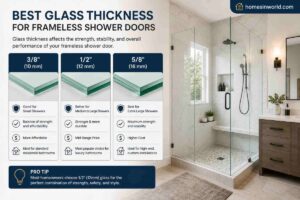
Unlike framed shower doors that rely on metal framing for support, frameless systems depend heavily on thick tempered glass panels and reinforced hardware to maintain glass rigidity and structural balance. Thicker heavy shower glass creates a more solid and luxurious appearance, but it also increases overall weight and installation complexity.
Professional installers usually evaluate several factors before recommending a glass thickness, including:
- shower dimensions
- panel height
- door width
- hinge placement
- support bar requirements
- bathroom traffic
- budget
In many residential shower remodels, 3/8-inch glass offers the best balance between strength, appearance, and affordability. However, larger custom enclosures and luxury spa-style bathrooms often benefit from the additional stability provided by 1/2-inch frameless glass.
Glass clarity also plays a role. Many upscale remodels use:
- low-iron tempered glass
- ultra-clear heavy shower glass
- protective coated panels
to improve aesthetics and reduce visible green tint in modern bathroom designs.
Another important consideration is hardware compatibility. Heavier tempered glass panels require:
- stronger hinges
- reinforced wall anchors
- thicker support brackets
- precision glass alignment
This is why professional installation becomes even more important as glass thickness increases.
Is 3/8-Inch Glass Strong Enough?
For most residential shower enclosures, 3/8 inch shower glass is considered more than strong enough. It is the most commonly used thickness for frameless shower doors because it provides excellent shower glass durability while remaining easier to install and more budget-friendly than thicker options.
Professional remodelers frequently recommend 3/8-inch tempered glass for:
- standard walk-in showers
- hinged frameless doors
- sliding frameless enclosures
- medium-sized shower openings
Benefits of 3/8-inch glass include:
- strong structural performance
- lower installation costs
- reduced hardware stress
- easier door movement
- excellent long-term reliability
When paired with quality hardware and proper wall support, 3/8-inch tempered glass performs extremely well in daily-use bathrooms.
Most homeowners also find that 3/8-inch glass delivers the premium frameless appearance they want without the additional weight and cost associated with thicker heavy glass systems.
When 1/2-Inch Glass Is Worth It
1/2 inch frameless shower glass is typically used in luxury shower systems where homeowners want maximum premium glass stability and a heavier high-end appearance.
Because thicker glass feels more substantial and rigid, many upscale bathroom remodels choose 1/2-inch tempered panels for:
- oversized walk-in showers
- floor-to-ceiling glass enclosures
- curbless shower systems
- custom spa-style bathrooms
The additional thickness helps reduce slight panel flex and creates a more solid feel when opening or closing heavy glass doors.
Luxury remodelers often recommend 1/2-inch glass when:
- glass panels are unusually large
- minimal hardware is preferred
- support bars are limited
- homeowners want ultra-premium aesthetics
However, thicker glass also increases:
- installation complexity
- hardware requirements
- labor costs
- structural support needs
In some smaller residential bathrooms, 1/2-inch glass may provide little practical benefit over high-quality 3/8-inch tempered glass.
Many professional installers explain that the best choice is not always the thickest glass available. Instead, the ideal frameless shower glass thickness depends on balancing:
- appearance
- durability
- enclosure size
- hardware design
- remodeling budget
- long-term maintenance goals
For most homeowners, 3/8-inch glass offers excellent performance, while 1/2-inch heavy shower glass is often reserved for luxury custom bathroom projects where maximum visual impact is the priority.
Are Frameless Shower Doors Worth the Cost?
For many homeowners planning a modern bathroom remodel, the biggest question is simple: are frameless shower doors worth it? The answer depends on your remodeling goals, budget, bathroom layout, and how important long-term aesthetics are to your home upgrade plans.
Frameless shower systems are usually more expensive than framed enclosures because they require:
- thick tempered glass
- premium hardware
- custom measurements
- professional installation
- reinforced structural support
However, many homeowners still choose frameless designs because they deliver a high-end appearance that dramatically changes the overall feel of a bathroom.
In modern USA remodeling trends, frameless shower doors are often viewed as:
- premium home upgrades
- luxury bathroom features
- upscale design elements
- long-term remodeling investments
Unlike standard framed shower doors, frameless enclosures create a cleaner and more open visual layout that works especially well in:
- walk-in showers
- luxury primary bathrooms
- minimalist bathroom remodels
- spa-inspired bathroom designs
From a remodeling ROI perspective, frameless shower systems may also improve bathroom resale value because buyers increasingly expect updated modern bathrooms in competitive housing markets.
Many real estate professionals note that upgraded bathrooms help homes feel:
- newer
- more luxurious
- professionally remodeled
- move-in ready
That said, frameless shower doors are not automatically the best choice for every bathroom or budget. In some situations, practical concerns such as maintenance, water containment, and remodeling cost may outweigh the visual advantages.
Professional remodelers often recommend evaluating:
- how long you plan to stay in the home
- your renovation budget
- bathroom size
- local water quality
- maintenance expectations
- overall remodeling priorities
before deciding whether the premium cost of a frameless system makes sense.
Best for Luxury Bathroom Remodels
Luxury frameless shower systems are usually worth the investment for homeowners focused on upscale bathroom remodel projects where appearance and design quality are top priorities.
Frameless enclosures pair especially well with:
- large-format tile
- marble shower walls
- curbless walk-in showers
- rainfall shower systems
- custom lighting
- premium shower design features
In many upscale bathroom remodels, frameless glass becomes a major visual focal point that helps create a spa-like atmosphere.
Professional designers often recommend frameless systems for:
- luxury master bathrooms
- custom homes
- contemporary remodels
- minimalist interiors
- high-end real estate upgrades
Because the glass panels are transparent and minimally framed, they also showcase custom tile work and decorative shower finishes more effectively than traditional framed enclosures.
Homeowners planning to stay in their homes long term often feel the additional cost is justified because frameless systems provide both:
- everyday visual enjoyment
- strong long-term design appeal
When Framed Doors May Be Better
Although frameless shower systems are popular, framed shower doors vs frameless comparisons still matter for many homeowners planning a budget bathroom remodel.
Framed shower doors may be a better option when:
- remodeling budgets are limited
- water containment is a top concern
- the bathroom has uneven walls
- maintenance simplicity is preferred
- durability matters more than aesthetics
Practical shower enclosures with full metal framing usually provide:
- lower installation costs
- stronger water sealing
- lighter glass panels
- easier replacement parts
- simpler installation
Framed systems can also perform better in:
- busy family bathrooms
- guest bathrooms
- high-splash shower layouts
- homes with hard water problems
For smaller remodeling budgets, framed or semi-frameless shower doors may offer a more balanced combination of:
- affordability
- durability
- easier maintenance
- long-term practicality
Many contractors explain that the “best” shower enclosure is not always the most expensive one. Instead, the right choice depends on how well the shower system fits your bathroom layout, maintenance expectations, and remodeling goals.
Homeowners who prioritize:
- luxury aesthetics
- modern design
- open visual space
often prefer frameless systems, while homeowners focused on:
- practicality
- lower costs
- reduced maintenance
may find framed shower enclosures to be the smarter long-term solution for their specific bathroom remodel.
Common Mistakes Homeowners Make With Frameless Shower Doors
Frameless shower systems can completely transform a bathroom, but many homeowners run into expensive problems because they overlook important installation and design details during the remodeling process. Most frameless shower door mistakes happen when homeowners focus only on appearance without understanding how heavy glass systems actually function in real bathrooms.
Unlike traditional framed enclosures, frameless shower doors rely heavily on:
- precise measurements
- structural support
- accurate waterproofing
- quality hardware
- professional installation
Even small planning errors can create long-term frameless shower problems such as:
- leaking water
- sagging doors
- unstable glass panels
- hardware failure
- difficult maintenance
Many professional remodelers explain that frameless systems are less forgiving than framed shower doors. Because there is minimal metal framing, every detail — from wall alignment to shower slope — becomes more important.
Homeowners often underestimate how much engineering goes into:
- heavy glass installation
- hinge placement
- door clearance
- waterproofing transitions
- shower drainage design
Another common issue is choosing materials based only on price. Cheaper hardware, thinner glass, or inexperienced installers may reduce upfront costs but can lead to expensive repairs later.
Before installing a frameless shower enclosure, remodeling professionals usually recommend:
- evaluating bathroom waterproofing
- confirming wall structure strength
- choosing proper glass thickness
- using quality tempered glass
- hiring experienced installers
Understanding these common mistakes early can help homeowners avoid long-term maintenance concerns and improve the durability of their bathroom remodel.
Choosing Thin Glass Panels
One of the most common shower glass thickness mistakes is selecting glass panels that are too thin for a frameless shower design. Because frameless systems rely on the glass itself for structural stability, thin panels may flex more and create a less secure feel over time.
Many budget-focused remodels attempt to reduce costs by using thinner glass, but this can affect:
- glass rigidity
- door stability
- hinge performance
- long-term durability
Most professional installers recommend:
- 3/8-inch tempered glass for standard frameless systems
- 1/2-inch glass for larger luxury enclosures
Thin glass panels may also place extra stress on hardware components if the enclosure design lacks proper support bars or reinforcement.
Homeowners should avoid prioritizing the cheapest glass option without considering:
- shower size
- panel height
- daily usage
- hardware quality
- enclosure layout
Choosing the correct glass thickness is critical for both safety and long-term performance.
Ignoring Bathroom Waterproofing
Poor waterproofing is one of the biggest causes of shower waterproofing problems in frameless bathroom remodels. Because frameless shower doors use minimal seals and wider spacing gaps than framed systems, proper water management becomes extremely important.
Many leakage issues happen because homeowners overlook:
- incorrect floor slope
- poor drainage design
- missing waterproof membranes
- weak silicone sealing
- improper curb installation
Bathrooms with:
- curbless showers
- open walk-in layouts
- oversized rainfall shower heads
require especially careful waterproofing planning.
Professional remodelers typically recommend:
- sloped shower floors
- quality waterproof membranes
- reinforced shower curbs
- precision glass spacing
- high-quality seals and sweeps
Even expensive frameless shower systems can develop leakage problems if the bathroom itself is not properly waterproofed underneath the tile and enclosure structure.
Hiring Inexperienced Installers
Many serious frameless shower installation mistakes happen because homeowners hire installers who lack experience with heavy glass systems. Frameless enclosures require specialized knowledge that goes far beyond standard shower door installation.
Improper installation can lead to:
- uneven door gaps
- leaking corners
- hinge stress
- sagging glass
- unstable panels
- damaged tile walls
Professional installers must carefully evaluate:
- wall plumbness
- structural framing
- hardware placement
- glass alignment
- weight distribution
Heavy tempered glass panels can weigh hundreds of pounds, and even small measurement errors may create long-term operational issues.
Experienced frameless shower installers also understand how to:
- properly anchor heavy hardware
- reduce water escape points
- align pivot doors accurately
- protect tile surfaces during installation
Homeowners should verify:
- licensing
- insurance
- frameless shower experience
- portfolio examples
- warranty coverage
before hiring a contractor.
In many bathroom remodels, paying for experienced installation upfront is far less expensive than repairing leakage, hardware, or alignment problems later.
Expert Tips Before Buying Frameless Shower Doors
A frameless shower door buying guide should focus on more than appearance alone. While modern frameless shower systems can dramatically improve the look of a bathroom, long-term performance depends heavily on glass quality, hardware selection, waterproofing, and installation standards.
Many homeowners regret their shower remodel not because frameless doors look bad, but because they overlook practical details during the planning stage. Professional contractors often explain that the best frameless shower systems combine:
- durable tempered glass
- quality hardware
- proper waterproofing
- precise installation
- low-maintenance finishes
Before investing in a custom frameless enclosure, remodeling professionals usually recommend evaluating:
- bathroom layout
- shower size
- water quality
- glass thickness
- hardware durability
- cleaning expectations
- long-term maintenance needs
Modern shower remodeling tips also emphasize balancing aesthetics with functionality. Oversized glass panels and minimal hardware may look luxurious, but they require stronger wall support and more precise engineering.
Many experienced installers suggest avoiding “builder-grade” frameless systems that use:
- cheaper hinges
- thin glass
- weak seals
- low-quality finishes
because these components often wear out faster in humid bathroom environments.
Instead, homeowners should focus on:
- corrosion-resistant hardware
- premium tempered glass
- professionally measured enclosures
- protective glass treatments
- reliable installation warranties
The most successful frameless shower remodels usually involve early planning with experienced glass professionals who understand how to balance design, safety, and long-term durability.
Choose Tempered Safety Glass
One of the most important contractor recommendations is choosing high-quality tempered shower glass for any frameless enclosure. Tempered glass is specially heat-treated to improve strength and safety, making it the standard material used in modern shower systems across the USA.
Compared to standard glass, tempered panels are:
- significantly stronger
- more impact resistant
- safer if broken
- better suited for humid environments
Most frameless shower doors use:
- 3/8-inch tempered glass
- 1/2-inch tempered safety glass
depending on enclosure size and hardware requirements.
Professional installers also recommend verifying that the glass meets:
- local building codes
- ANSI safety standards
- certified manufacturing requirements
before installation.
Using properly tempered glass is essential because frameless systems rely heavily on the structural strength of the glass itself rather than bulky metal framing.
Consider Low-Iron Glass for Luxury Bathrooms
Low-iron shower glass has become increasingly popular in upscale bathroom remodel projects because it offers a much clearer appearance than standard tempered glass. Traditional glass often has a slight green tint, especially around thick glass edges, while low-iron glass provides a cleaner and more transparent look.
Luxury homeowners frequently choose low-iron glass for:
- spa-inspired bathrooms
- minimalist shower designs
- premium marble showers
- high-end custom tile work
because it allows decorative surfaces and natural stone textures to appear more vibrant.
Low-iron shower glass works especially well in:
- large walk-in showers
- curbless shower systems
- bathrooms with natural lighting
- modern luxury remodels
However, homeowners should also understand that ultra-clear glass may show:
- fingerprints
- water spots
- soap residue
more visibly than standard glass.
For many premium bathroom designs, though, the cleaner appearance and enhanced visual clarity are worth the additional investment.
Use Protective Glass Coatings
Applying a quality shower glass coating is one of the best ways to reduce long-term maintenance issues in frameless shower systems. Protective coatings create a barrier that helps repel:
- hard water minerals
- soap scum
- moisture buildup
- cleaning residue
This makes frameless shower glass easier to maintain and helps preserve its clear appearance over time.
Professional remodelers often recommend protective coatings for bathrooms located in:
- hard water regions
- humid climates
- high-use family homes
Hydrophobic coatings can also reduce the frequency of deep cleaning and minimize visible water spotting on clear glass panels.
To maximize performance, many contractors recommend combining glass coatings with:
- daily squeegee use
- proper bathroom ventilation
- water softeners
- non-abrasive cleaning products
Homeowners investing in luxury frameless shower systems often find that protective coatings help maintain the polished, high-end appearance that makes frameless glass enclosures so attractive in modern bathroom remodeling projects.
Frameless Shower Door Cost Breakdown in USA (2026)
Understanding frameless shower door cost USA estimates is important before starting a bathroom remodel because pricing can vary significantly based on glass type, enclosure size, hardware quality, and labor complexity. While frameless shower systems are considered premium bathroom upgrades, many homeowners underestimate how much custom glass fabrication and professional installation can affect the final remodeling budget.
In 2026, frameless shower doors remain one of the most popular upgrades in modern bathroom remodeling because they create:
- a luxury appearance
- cleaner visual lines
- open bathroom layouts
- spa-style shower designs
However, these premium systems usually cost more than framed shower enclosures due to:
- thicker tempered glass
- custom shower glass fabrication
- reinforced hardware systems
- precision installation requirements
- higher labor costs
Professional remodelers often explain that frameless shower pricing is influenced by both material quality and installation difficulty. Bathrooms with:
- uneven walls
- curbless showers
- oversized enclosures
- custom tile layouts
typically require additional labor and more advanced installation techniques.
Most homeowners should also budget for:
- waterproofing adjustments
- upgraded hardware
- glass coatings
- support bars
- wall reinforcement
when planning a frameless shower remodel.
Another major pricing factor is glass thickness. Heavy glass systems using 1/2-inch tempered panels are usually more expensive than standard 3/8-inch glass because they require stronger hinges, reinforced brackets, and specialized handling during installation.
Average Frameless Shower Door Prices
Current frameless shower door prices in the USA generally range from:
- $900 to $3,500+
depending on enclosure size and customization level.
Smaller standard enclosures with basic hardware are usually more affordable, while luxury custom systems with oversized panels and premium finishes can cost substantially more.
Typical pricing examples include:
- small frameless shower door: $900–$1,500
- mid-range walk-in shower enclosure: $1,500–$2,500
- luxury custom frameless system: $2,500–$5,000+
Several factors influence pricing, including:
- glass thickness
- hardware finish
- enclosure style
- custom measurements
- low-iron glass upgrades
- protective coatings
Premium features such as:
- matte black hardware
- ultra-clear low-iron glass
- floor-to-ceiling glass panels
- custom pivot systems
can quickly increase overall remodeling costs.
Many homeowners also choose frameless systems as part of larger bathroom remodel projects involving:
- custom tile work
- curbless showers
- luxury fixtures
- spa-inspired layouts
which can further increase total project investment.
Installation Labor Costs
Professional shower door installation cost is a major portion of frameless shower pricing because heavy glass systems require precision measurements and specialized installation skills.
Labor costs in the USA typically range from:
- $300 to $1,200+
depending on:
- shower complexity
- enclosure size
- local labor rates
- glass weight
- waterproofing requirements
Unlike framed shower doors, frameless systems require careful alignment to ensure:
- smooth door operation
- proper water containment
- secure hardware anchoring
- accurate glass spacing
Experienced installers must also verify:
- wall plumbness
- tile stability
- structural reinforcement
- hinge placement
before mounting heavy tempered glass panels.
Bathrooms with uneven tile walls or curbless layouts often require additional labor adjustments that increase installation pricing.
What Increases Frameless Shower Costs?
Several design and construction factors can significantly raise custom frameless shower cost estimates during a bathroom remodel.
The biggest cost drivers include:
- oversized glass panels
- 1/2-inch heavy glass
- low-iron glass upgrades
- custom enclosure shapes
- premium hardware finishes
- curbless shower layouts
Luxury bathrooms with:
- floor-to-ceiling glass
- floating bench seating
- custom tile niches
- oversized walk-in showers
often require more advanced engineering and installation work.
Additional upgrades that commonly increase frameless shower pricing include:
- hydrophobic glass coatings
- soft-close hardware
- reinforced support bars
- custom etched glass
- pivot hinge systems
Homeowners should also understand that cheaper frameless systems may use:
- thinner glass
- lower-grade hardware
- weaker seals
which can affect long-term durability and maintenance performance.
Many remodeling professionals recommend prioritizing:
- quality tempered glass
- experienced installers
- corrosion-resistant hardware
instead of choosing the lowest upfront bid, especially for luxury bathroom remodels where long-term reliability matters.
Frequently Asked Questions
Homeowners researching frameless shower door FAQs often want practical answers before investing in a bathroom remodel. Many People Also Ask searches focus on water leaks, glass safety, maintenance, durability, and long-term value because frameless shower systems are typically more expensive than traditional framed enclosures.
Professional remodelers explain that frameless shower doors can be an excellent upgrade when they are:
- professionally installed
- properly waterproofed
- built with tempered safety glass
- matched to the correct bathroom layout
However, the right choice depends on:
- remodeling goals
- bathroom size
- maintenance expectations
- budget
- water quality
- shower usage frequency
Many shower remodeling questions also involve balancing luxury aesthetics with long-term practicality. Frameless systems create a modern and open appearance, but they also require:
- quality hardware
- proper wall support
- accurate glass alignment
- routine cleaning
Below are some of the most common homeowner questions about frameless shower systems in modern USA bathroom remodels.
Do Frameless Shower Doors Leak?
Frameless shower leaks are possible because frameless systems use minimal seals and less metal framing than traditional shower doors. Small gaps around glass panels can allow minor water splashes to escape if the shower is poorly designed or improperly installed.
Most professional installers reduce leakage risks by using:
- magnetic door seals
- sloped shower floors
- precision glass spacing
- waterproof thresholds
- bottom sweeps
Large walk-in showers with proper drainage usually perform better than tight shower layouts with direct spray exposure. In most bathrooms, quality installation plays a bigger role in preventing leaks than the shower door style itself.
Are Frameless Shower Doors Safe?
Modern frameless shower safety standards are very high when quality tempered glass and professional installation methods are used. Frameless shower systems are specifically designed to handle the weight and stress of heavy glass panels in residential bathrooms.
Most frameless enclosures use:
- tempered safety glass
- reinforced hinges
- corrosion-resistant hardware
- structural wall anchors
Tempered glass is much stronger than standard glass and is designed to break into smaller dull-edged pieces if damaged.
Homeowners should always verify that installers use:
- certified tempered glass
- code-compliant hardware
- proper wall reinforcement
to maximize long-term safety and stability.
How Long Do Frameless Shower Doors Last?
The average frameless shower door lifespan is often 20 years or longer when the enclosure is professionally installed and properly maintained. High-quality tempered glass itself is extremely durable, but long-term performance also depends on hardware quality and maintenance habits.
Factors that affect lifespan include:
- water quality
- hinge durability
- installation precision
- cleaning frequency
- bathroom humidity
Premium hardware finishes and corrosion-resistant hinges generally last longer in humid bathroom environments.
Many luxury frameless shower systems continue functioning well for decades when homeowners regularly maintain:
- seals
- hinges
- glass coatings
- waterproofing areas
Routine maintenance can help reduce wear and preserve smooth door operation over time.
Are Frameless Shower Doors Hard to Clean?
Cleaning frameless shower glass is usually easier than maintaining traditional framed shower doors because there are fewer metal tracks and corners where soap scum and mildew collect.
However, clear glass panels can make:
- hard water stains
- fingerprints
- mineral buildup
- soap residue
more visible.
Most homeowners reduce maintenance by using:
- daily squeegees
- hydrophobic glass coatings
- water softeners
- non-abrasive cleaners
Bathrooms with hard water may require more frequent glass cleaning to maintain a spotless appearance.
Professional remodelers often recommend protective coatings during installation because they help reduce water spotting and simplify long-term maintenance.
What Is the Best Shower Glass Thickness?
The best shower glass thickness for most frameless systems is typically 3/8-inch tempered glass because it offers an excellent balance of:
- durability
- stability
- appearance
- cost efficiency
Many residential frameless shower enclosures use 3/8-inch glass successfully for daily use bathrooms.
Luxury custom shower systems with oversized panels may benefit from:
- 1/2-inch heavy glass
- reinforced support hardware
- thicker structural panels
because larger enclosures place more stress on hinges and mounting points.
Professional installers usually recommend selecting glass thickness based on:
- enclosure size
- shower layout
- hardware design
- remodeling budget
- long-term durability goals
rather than choosing the thickest glass available unnecessarily.
Final Verdict: Should You Choose Frameless Shower Doors?
For many homeowners planning modern bathroom upgrades, frameless shower systems are absolutely worth considering. They create a cleaner, brighter, and more luxurious appearance that can completely transform the overall feel of a bathroom. In today’s USA remodeling market, frameless glass enclosures are often associated with:
- upscale bathroom design
- premium home upgrades
- luxury shower systems
- modern walk-in showers
- spa-inspired remodels
However, the best bathroom remodeling decisions depend on more than appearance alone. Homeowners should carefully evaluate:
- budget
- bathroom layout
- maintenance expectations
- waterproofing quality
- long-term remodeling goals
before choosing a frameless enclosure.
The biggest advantages of frameless shower systems include:
- sleek modern aesthetics
- easier visual flow
- improved resale appeal
- cleaner minimalist design
- better visibility of tile work
At the same time, the frameless shower door pros and cons summary also includes practical drawbacks such as:
- higher installation costs
- potential water leakage
- visible hard water spots
- professional installation requirements
For luxury bathroom remodels, many homeowners feel the premium appearance justifies the additional investment. Frameless shower systems work especially well in:
- curbless walk-in showers
- large primary bathrooms
- contemporary remodels
- minimalist bathroom layouts
On the other hand, framed or semi-frameless systems may still be a smarter choice for:
- strict remodeling budgets
- family bathrooms
- high-splash shower layouts
- homeowners prioritizing low maintenance
Professional remodelers often explain that there is no single “best” shower enclosure for every home. Instead, the ideal choice depends on balancing:
- aesthetics
- functionality
- durability
- maintenance
- remodeling ROI
For homeowners who value modern design, open space, and luxury aesthetics, frameless shower doors remain one of the most impactful bathroom upgrades available in 2026.