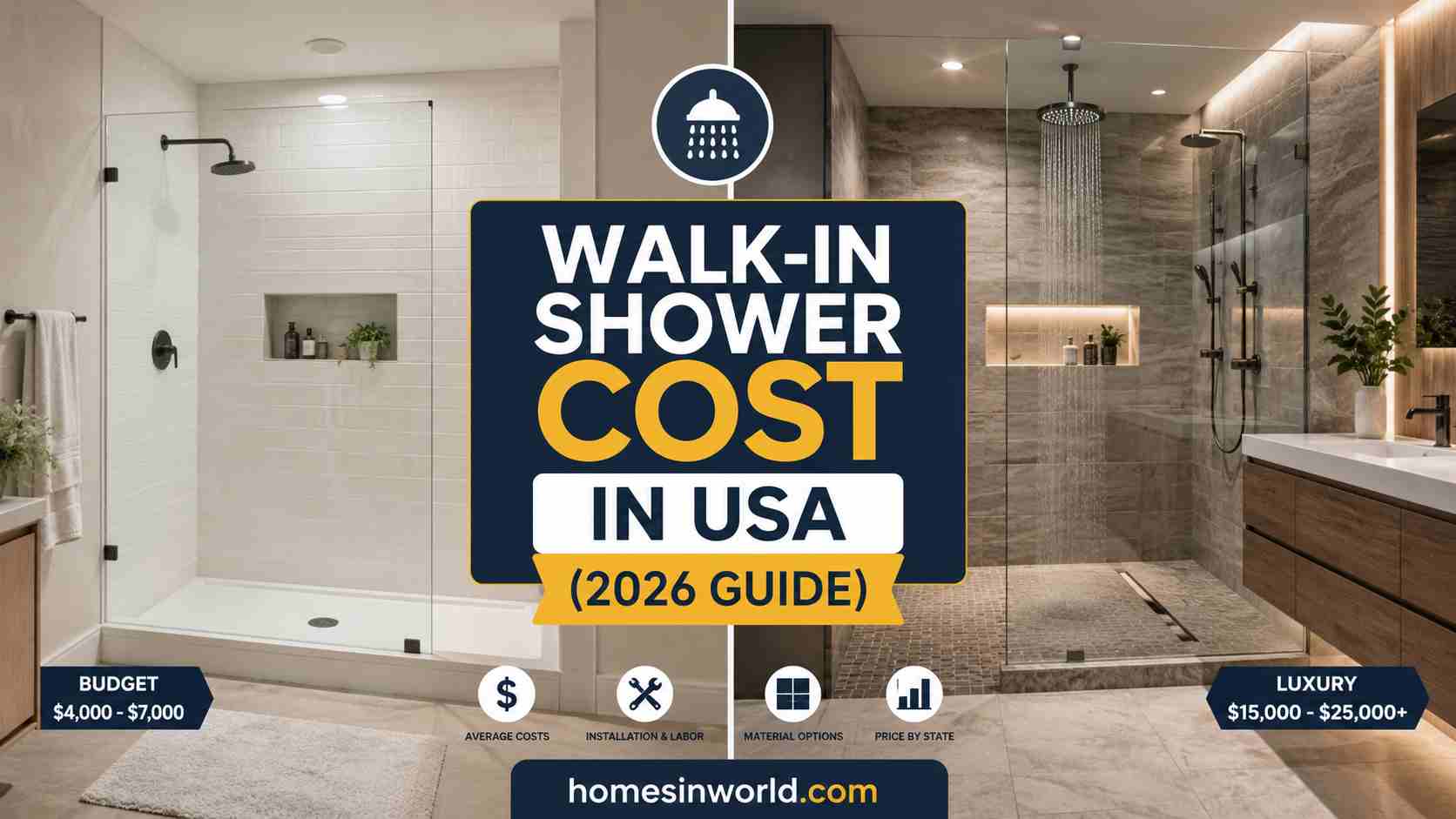
Walk-In Shower Cost in USA (2026 Guide)”
A walk-in shower can completely transform the look, comfort, and value of your bathroom — but one of the first questions homeowners ask is simple: how much does a walk-in shower cost in 2026?
The answer depends on several important factors, including shower size, materials, labor costs, plumbing changes, and whether you choose a prefabricated unit or a luxury custom tile shower. In the USA, walk-in shower costs can range from a few thousand dollars for a budget-friendly remodel to well over $20,000 for high-end spa-style designs.
That wide price range makes planning difficult for many homeowners.
Whether you are replacing an old bathtub, remodeling a small bathroom, upgrading a master suite, or improving accessibility for aging-in-place living, understanding the real costs upfront can save you from expensive surprises later.
Modern walk-in showers have become one of the most popular bathroom remodeling upgrades in America. Homeowners love them for their sleek appearance, easier maintenance, better accessibility, and strong resale value. In fact, many buyers now prefer modern walk-in showers over traditional bathtubs in updated homes.
But not all shower remodels cost the same.
A basic acrylic shower kit may cost far less than a custom frameless glass shower with porcelain tile walls, rainfall showerheads, waterproofing systems, and premium fixtures. Labor rates and remodeling costs also vary significantly across states like Texas, California, Florida, and New York.
In this complete 2026 guide, you’ll learn:
- average walk-in shower costs
- installation and labor pricing
- tub-to-shower conversion costs
- tile vs acrylic shower pricing
- hidden remodeling expenses
- ways to save money
- ROI and home value impact
- the latest walk-in shower trends in the USA
By the end, you’ll have a realistic understanding of what to expect before starting your bathroom remodel.
Average Walk-In Shower Cost in 2026
The average walk-in shower cost in the USA ranges from $3,500 to $12,000 in 2026, depending on the shower size, materials, labor costs, plumbing changes, and overall bathroom renovation complexity. Homeowners planning a basic shower remodel with prefabricated materials usually spend less, while luxury custom tile showers with frameless glass enclosures can easily exceed $20,000.
Over the last few years, bathroom renovation pricing has increased due to higher labor rates, rising material costs, and growing demand for modern spa-style bathrooms. Features like rainfall showerheads, curbless entries, porcelain tile walls, waterproofing systems, and custom lighting now play a major role in overall remodeling expenses.
For many homeowners, the biggest mistake is underestimating the total project cost. A walk-in shower installation often involves more than just replacing old fixtures. Plumbing modifications, demolition, waterproof membranes, drainage upgrades, ventilation improvements, and tile installation all contribute to the final budget.
In 2026, walk-in showers remain one of the most popular bathroom remodeling upgrades because they:
- improve accessibility
- modernize outdated bathrooms
- increase buyer appeal
- maximize small bathroom space
- offer better long-term functionality
Homeowners in states like California, Texas, Florida, and New York may also notice major pricing differences because local contractor labor rates and permit costs vary significantly.
National Average Walk-In Shower Cost
The national average walk-in shower cost in 2026 falls between $5,000 and $9,000 for a professionally installed shower remodel. However, the final price depends heavily on whether you choose a prefabricated shower unit or a fully custom design.
Here is a general pricing breakdown:
| Shower Type | Average Cost |
| Basic Prefab Walk-In Shower | $3,500 – $6,000 |
| Acrylic Shower Remodel | $4,000 – $7,500 |
| Tile Walk-In Shower | $6,000 – $12,000 |
| Frameless Glass Shower | $7,000 – $15,000 |
| Luxury Spa-Style Shower | $15,000 – $30,000+ |
A small bathroom shower remodel with limited plumbing work usually costs much less than a large custom master bathroom renovation. Shower installation pricing also increases when homeowners choose premium materials like natural stone, oversized porcelain slabs, or custom frameless glass panels.
For example:
- A simple acrylic walk-in shower in a guest bathroom may cost around $4,500.
- A luxury tile shower with dual showerheads and custom waterproofing could exceed $18,000.
Lowest vs Highest Walk-In Shower Costs
A cheap walk-in shower remodel typically starts around $3,500 to $5,000 if homeowners choose:
- prefabricated shower kits
- acrylic wall surrounds
- standard fixtures
- minimal plumbing changes
Budget-friendly projects usually work best in smaller bathrooms where the existing plumbing layout remains unchanged. Keeping the original drain location alone can save hundreds or even thousands of dollars in labor costs.
At the opposite end, luxury shower remodel costs can exceed $25,000 for high-end bathrooms with:
- frameless glass enclosures
- custom tile work
- rainfall shower systems
- steam shower features
- heated flooring
- smart shower technology
- custom lighting
- curbless shower entries
Luxury walk-in showers are becoming increasingly popular in upscale homes because buyers now prioritize spa-inspired bathroom designs and modern accessibility features.
One important factor homeowners should understand is that expensive materials dramatically increase installation labor. Large-format tile, custom niches, linear drains, and waterproofing systems require specialized contractors and additional installation time.

What Impacts Walk-In Shower Pricing?
Several shower cost factors determine the final remodeling budget. While many homeowners focus mainly on materials, labor and hidden construction expenses often represent a large percentage of total project costs.
The biggest factors affecting walk-in shower pricing include:
- Shower size and layout
- Plumbing relocation requirements
- Tile installation complexity
- Waterproofing systems
- Frameless glass installation
- Shower pan and drainage upgrades
- Demolition and debris removal
- Contractor labor rates
- Permit and inspection costs
- Accessibility upgrades
Shower labor cost is especially important in custom projects. Tile installation alone can account for a significant portion of the total budget because it requires:
- surface preparation
- waterproof membrane installation
- grout sealing
- precision tile cutting
- proper drainage slope construction
For example, installing a simple acrylic shower surround may take only a few days, while a custom porcelain tile shower with frameless glass can require multiple contractors over one to two weeks.
Regional labor costs also matter. Homeowners in large metropolitan areas like Los Angeles or New York City generally pay much higher remodeling expenses than homeowners in smaller cities or rural areas.
Before hiring a contractor, it’s smart to request multiple detailed estimates that separate:
- labor costs
- material pricing
- plumbing work
- demolition
- waterproofing
- permits
This helps homeowners avoid unexpected charges during the remodeling process.
Cost to Replace Tub with Walk-In Shower
The cost to replace a tub with a walk-in shower in the USA typically ranges from $4,000 to $15,000 in 2026, depending on the bathroom size, plumbing complexity, shower materials, and labor costs. Basic bathtub-to-shower conversions are usually more affordable when homeowners keep the existing plumbing layout, while luxury custom conversions with tile walls and frameless glass enclosures can become significantly more expensive.
Tub-to-shower conversions have become one of the most requested bathroom remodeling projects in recent years. Many homeowners are removing outdated bathtubs to create:
- more open bathroom layouts
- easier accessibility
- modern spa-style bathrooms
- safer entry for seniors
- better functionality in small bathrooms
A walk-in shower also improves convenience for many households because it requires less space and often feels more modern than a traditional bathtub setup.
However, a bathroom conversion involves more than simply removing a tub and installing a shower. Contractors often need to:
- demolish old materials
- relocate plumbing lines
- install waterproofing systems
- upgrade drainage
- repair flooring and walls
- install new tile or shower surrounds
These remodeling expenses quickly impact the final project cost.
For example:
- A simple acrylic tub-to-shower conversion in a guest bathroom may cost around $5,000.
- A custom tile walk-in shower with frameless glass, dual showerheads, and drainage relocation can exceed $18,000.
Homeowners should also remember that older bathrooms sometimes hide water damage, mold issues, or outdated plumbing that increases labor and repair costs during demolition.
Bathtub Removal Costs
Bathtub demolition cost usually ranges from $500 to $2,500 depending on the tub material, bathroom layout, and disposal requirements. Standard fiberglass tubs are much easier and cheaper to remove than cast iron bathtubs, which are extremely heavy and labor-intensive.
Tub removal labor costs generally include:
- disconnecting plumbing fixtures
- demolition work
- hauling debris
- repairing damaged drywall or flooring
- preparing the shower installation area
Here’s a general breakdown:
| Removal Type | Average Cost |
| Fiberglass Tub Removal | $500 – $1,000 |
| Acrylic Tub Removal | $600 – $1,200 |
| Cast Iron Tub Removal | $1,500 – $2,500 |
In older homes, contractors may also discover:
- subfloor water damage
- mold behind walls
- outdated plumbing pipes
- structural issues
These hidden problems can increase overall bathroom renovation pricing significantly.
To reduce demolition expenses, some homeowners choose prefab shower systems designed to fit within the original bathtub footprint, minimizing wall and floor reconstruction.
Plumbing Changes and Drain Relocation Costs
Shower plumbing cost is one of the biggest factors affecting tub-to-shower conversion pricing. If the existing plumbing layout remains unchanged, homeowners can save a substantial amount on labor and installation costs.
However, many modern walk-in showers require:
- new shower valves
- upgraded water lines
- rainfall showerheads
- dual shower systems
- linear drains
- curbless shower slopes
Drain relocation alone may cost between $500 and $2,500 depending on:
- slab foundation access
- floor structure
- pipe materials
- local labor rates
Curbless showers are especially expensive because contractors must carefully adjust floor slopes and waterproofing systems to ensure proper drainage and leak prevention.
Additional plumbing upgrades may include:
- replacing old galvanized pipes
- increasing water pressure capacity
- upgrading drain sizes
- installing anti-scald valves
For example:
- Keeping the original bathtub drain location may save $1,000 or more.
- Relocating plumbing in a concrete slab foundation often requires jackhammer work, significantly increasing labor expenses.
Homeowners planning a luxury bathroom conversion should always request detailed contractor estimates separating:
- plumbing labor
- drainage upgrades
- waterproofing installation
- demolition costs
This provides a clearer understanding of the true remodeling budget before construction begins.
Tub-to-Shower Conversion Before and After
Tub-to-shower conversion before and after transformations can dramatically improve both bathroom appearance and functionality. Many homeowners are surprised by how much larger and more modern a bathroom feels after replacing a bulky bathtub with a sleek walk-in shower.
Popular shower conversion ideas include:
- frameless glass enclosures
- curbless walk-in showers
- large-format porcelain tile
- built-in shower benches
- recessed wall niches
- rainfall showerheads
- matte black fixtures
In smaller bathrooms, removing a bathtub often creates:
- more visual space
- improved accessibility
- easier cleaning
- better lighting flow
For example:
- A dated 1990s bathroom with a fiberglass tub may feel cramped and outdated.
- After conversion, a frameless glass shower with bright tile walls can create a luxury spa-like appearance.
Bathroom remodel examples also show that walk-in showers appeal strongly to modern homebuyers, especially in master bathrooms and aging-in-place renovations.
Many homeowners now prioritize:
- low-maintenance materials
- open-concept shower layouts
- accessibility-friendly designs
- minimalist bathroom aesthetics
These trends continue driving strong demand for tub-to-shower conversions throughout the USA in 2026.

Walk-In Shower Cost by Shower Type
The type of walk-in shower you choose has one of the biggest impacts on your total bathroom remodeling budget. In 2026, homeowners in the USA can expect to spend anywhere from $3,500 for a basic prefab shower to more than $25,000 for a luxury custom walk-in shower with premium materials and high-end features.
Different shower designs require different levels of labor, waterproofing, tile installation, plumbing work, and customization. While some homeowners prioritize affordability and fast installation, others want spa-style bathrooms with frameless glass enclosures, rainfall showerheads, and curbless entries.
The most common walk-in shower types include:
- prefabricated shower kits
- custom tile showers
- frameless glass showers
- curbless barrier-free showers
Each option comes with unique advantages, installation requirements, and long-term maintenance considerations.
For example:
- A prefab acrylic shower can often be installed in a few days.
- A custom tile shower may require multiple contractors and several weeks of labor.
Understanding these differences helps homeowners choose the best shower materials and shower enclosure style for their renovation goals and budget.
Prefabricated Walk-In Shower Cost
Prefabricated walk-in showers are usually the most affordable option for homeowners looking to reduce bathroom renovation pricing and installation time. In 2026, prefab shower kit cost typically ranges from $3,500 to $7,000 including labor and materials.
Prefab showers are manufactured using:
- acrylic panels
- fiberglass surrounds
- composite shower bases
- pre-built wall systems
These units are designed for faster installation because contractors do not need to perform extensive tile work or custom waterproofing.
Acrylic shower pricing remains popular because acrylic materials are:
- affordable
- lightweight
- easy to clean
- resistant to mold and mildew
Prefab showers work especially well in:
- guest bathrooms
- rental properties
- budget-friendly remodels
- small bathrooms
However, prefab systems offer fewer design options compared to custom tile showers. Some homeowners also feel they lack the luxury appearance of high-end bathroom renovations.
Typical prefab shower costs include:
| Prefab Shower Type | Average Cost |
| Fiberglass Shower Kit | $3,500 – $5,500 |
| Acrylic Shower Kit | $4,000 – $7,000 |
| Premium Composite Shower | $6,000 – $9,000 |
Keeping the existing plumbing layout can further reduce installation expenses.
Tile Walk-In Shower Cost
Tile walk-in showers are among the most popular upgrades for modern bathrooms because they offer maximum design flexibility and long-term durability. In 2026, tile shower installation cost usually ranges from $6,000 to $15,000 depending on tile materials, labor complexity, and shower size.
Custom tile showers allow homeowners to personalize:
- shower walls
- flooring
- niches
- benches
- accent designs
- grout colors
Ceramic shower tile cost is generally lower than porcelain or natural stone, making ceramic tile a common choice for mid-range bathroom remodels.
However, tile installation is labor-intensive and requires:
- waterproof membrane installation
- mortar application
- grout sealing
- precision tile cutting
- floor slope adjustments
Porcelain tile showers typically cost more because porcelain is denser, heavier, and harder to cut than ceramic materials.
Average tile shower pricing:
| Tile Material | Average Cost |
| Ceramic Tile Shower | $6,000 – $10,000 |
| Porcelain Tile Shower | $8,000 – $15,000 |
| Natural Stone Shower | $12,000 – $25,000+ |
Homeowners should also factor in long-term maintenance. Tile showers require periodic grout cleaning and sealing to prevent moisture damage and mold growth.
Despite higher installation costs, tile showers remain one of the best investments for homeowners seeking:
- luxury appearance
- higher resale value
- fully custom shower design
- long-term durability
Frameless Glass Walk-In Shower Cost
A Frameless glass walk-in shower is considered one of the most luxurious and visually appealing bathroom upgrades available today. Frameless shower door cost typically ranges from $1,500 to $6,000, while the total glass shower enclosure price may exceed $15,000 when combined with custom tile work and premium fixtures.
Frameless glass systems use thick tempered glass panels without bulky metal framing, creating:
- a modern open-concept appearance
- better light flow
- cleaner bathroom aesthetics
- a larger visual feel in small bathrooms
Several factors affect pricing:
- glass thickness
- enclosure size
- custom hardware
- door style
- installation complexity
Custom frameless showers often require precise measurements and professional installation to prevent leaks and alignment issues.
Homeowners frequently pair frameless glass enclosures with:
- porcelain tile walls
- rainfall showerheads
- matte black fixtures
- curbless shower entries
Although frameless glass increases remodeling expenses, it significantly improves bathroom resale appeal and luxury appearance.
Curbless Walk-In Shower Cost
Curbless walk-in showers, also called barrier-free showers, are becoming increasingly popular in 2026 due to their sleek appearance and accessibility benefits. Curbless shower cost generally ranges from $8,000 to $20,000 depending on floor modifications, drainage systems, and waterproofing complexity.
Unlike traditional showers, barrier-free shower designs remove the raised threshold at the shower entrance. This creates:
- seamless floor transitions
- easier accessibility
- modern minimalist aesthetics
- safer entry for seniors
Barrier free shower price is usually higher because contractors must:
- lower or slope the floor correctly
- install advanced waterproofing membranes
- upgrade drainage systems
- prevent water overflow
Linear drains are commonly used in curbless shower systems because they improve water flow and support larger tile installations.
Curbless showers are especially popular in:
- luxury bathrooms
- aging-in-place remodels
- ADA-accessible renovations
- spa-inspired bathroom designs
Although installation costs are higher, many homeowners consider curbless showers a valuable long-term investment because they combine modern style with improved functionality and accessibility.
Walk-In Shower Cost by Size
Walk-in shower size plays a major role in determining total bathroom remodeling expenses in 2026. In general, larger showers require more tile, glass, waterproofing, plumbing work, and labor hours, which significantly increases the final installation cost. Small walk-in shower cost projects may start around $3,500, while oversized luxury shower remodels can easily exceed $25,000.
Many homeowners focus mainly on shower materials, but shower dimensions and bathroom layout are equally important when calculating square footage pricing. Even a few extra feet of tile work or custom glass installation can dramatically impact the overall remodeling budget.
Smaller showers are often more affordable because they:
- require fewer materials
- reduce labor time
- simplify waterproofing
- use smaller glass panels
- minimize plumbing modifications
However, compact bathrooms can sometimes create installation challenges due to tight layouts and limited accessibility for contractors.
On the other hand, large custom showers increase costs because they often include:
- multiple showerheads
- oversized frameless glass enclosures
- custom tile patterns
- shower benches
- recessed wall niches
- advanced drainage systems
Homeowners planning a walk-in shower remodel should carefully consider:
- available bathroom space
- long-term functionality
- accessibility needs
- maintenance requirements
- resale value impact
In many modern homes, larger spa-inspired showers are replacing oversized bathtubs, especially in master bathroom renovations.
5×7 Walk-In Shower Cost
A 5×7 shower remodel typically costs between $5,000 and $12,000 depending on the shower design, materials, and labor complexity. This bathroom size is common in guest bathrooms and compact primary bathrooms where homeowners want a balance between affordability and functionality.
Compact shower pricing usually depends on:
- tile selection
- shower enclosure type
- plumbing changes
- waterproofing requirements
- glass door installation
A basic acrylic walk-in shower in a 5×7 bathroom may cost around $5,000 to $7,000, while a custom porcelain tile shower with frameless glass can exceed $10,000.
Many homeowners maximize smaller layouts by adding:
- sliding glass doors
- recessed storage niches
- wall-mounted fixtures
- light-colored tile for visual openness
Keeping the original plumbing layout is one of the best ways to control remodeling expenses in smaller bathrooms.
5×8 Bathroom Walk-In Shower Cost
The average 5×8 bathroom remodel cost with a walk-in shower ranges from $6,000 to $15,000 in 2026. This layout is one of the most common bathroom sizes in American homes and offers enough space for a comfortable small bathroom shower without requiring major structural changes.
Several factors influence pricing:
- shower enclosure size
- tile installation complexity
- flooring replacement
- vanity upgrades
- plumbing relocation
- ventilation improvements
Homeowners often choose walk-in showers in 5×8 bathrooms because they create:
- a more open appearance
- better accessibility
- easier maintenance
- improved resale appeal
For example:
- A prefabricated shower remodel may cost around $6,500.
- A custom tile shower with frameless glass and premium fixtures can exceed $14,000.
In compact bathrooms, using large-format porcelain tile and frameless glass doors often helps the room feel larger and more modern.
Careful bathroom layout planning is especially important in 5×8 remodels to maximize usable floor space while maintaining proper shower drainage and ventilation.
Large Luxury Shower Remodel Pricing
Large luxury shower remodel pricing can range from $15,000 to $35,000+ depending on shower size, materials, custom features, and installation complexity. Oversized shower cost increases significantly because large showers require more labor, structural preparation, and premium materials.
Luxury spa bathroom shower price estimates usually include:
- frameless glass walls
- oversized porcelain slabs
- natural stone tile
- dual rainfall showerheads
- body spray systems
- steam shower technology
- heated flooring
- custom lighting
- built-in benches
Many upscale homeowners now prefer open-concept spa showers with curbless entries and seamless floor transitions. These designs create a high-end resort-style appearance but require advanced waterproofing and drainage systems.
Large shower remodels also involve:
- extensive tile work
- reinforced subfloors
- custom plumbing layouts
- upgraded ventilation systems
For example:
- A large double-shower with custom glass and porcelain walls may cost around $18,000 to $25,000.
- A luxury steam shower with smart controls and natural stone finishes can exceed $35,000.
Although oversized showers require a larger remodeling budget, they often increase home value and buyer appeal in luxury real estate markets.
Homeowners planning large shower renovations should work with experienced contractors familiar with:
- waterproof membrane systems
- luxury tile installation
- linear drainage solutions
- custom shower enclosure fabrication
These specialized features require expert craftsmanship to prevent long-term moisture and structural problems.
Walk-In Shower Labor Cost in USA
Labor is one of the largest expenses in any bathroom remodeling project, and in many cases, shower installation labor cost can account for 40% to 60% of the total walk-in shower budget. In 2026, homeowners in the USA typically spend between $2,000 and $8,000 on labor alone depending on shower size, tile complexity, plumbing modifications, and regional contractor pricing.
Many homeowners underestimate how much skilled labor goes into a professional walk-in shower installation. A remodeling contractor may coordinate multiple specialists during the project, including:
- plumbers
- tile installers
- glass technicians
- waterproofing experts
- electricians
- drywall installers
Contractor shower pricing varies significantly by location. Homeowners in cities like New York, Los Angeles, Miami, and Seattle generally pay much higher labor rates than those in smaller towns or rural areas.
Labor costs also increase when homeowners choose:
- custom tile designs
- frameless glass enclosures
- curbless shower systems
- luxury fixtures
- steam shower installations
For example:
- A basic prefab shower installation may only require a few days of labor.
- A custom tile walk-in shower with drainage relocation and waterproofing can take one to two weeks.
Typical labor expenses often include:
- demolition work
- waterproof membrane installation
- plumbing adjustments
- tile setting and grout sealing
- shower enclosure installation
- cleanup and debris removal
Homeowners can sometimes reduce remodeling expenses by:
- keeping existing plumbing locations
- choosing standard-size shower doors
- using prefabricated shower systems
- avoiding complex tile patterns
However, hiring experienced contractors is critical because poor workmanship can lead to:
- leaks
- mold growth
- drainage problems
- cracked tile
- long-term structural damage
Tile Installation Labor Cost
Tile shower labor cost is often the most expensive part of a custom walk-in shower remodel. In 2026, homeowners typically pay between $8 and $25 per square foot for professional tile installation labor depending on tile size, design complexity, and regional labor rates.
A skilled shower tiling contractor handles:
- surface preparation
- waterproof membrane installation
- tile cutting
- grout application
- floor slope adjustments
- sealing
Large-format porcelain tile and custom mosaic patterns usually increase labor costs because they require more precision and installation time.
For example:
- A basic ceramic tile shower may cost around $2,000 to $4,000 in labor.
- A luxury custom tile shower with niches and benches can exceed $7,000 in labor alone.
Homeowners should always verify that tile contractors have experience with waterproof shower systems because improper installation is one of the leading causes of bathroom water damage.
Plumbing Labor Costs
Shower plumbing installation costs typically range from $500 to $3,500 depending on the complexity of the remodel. Basic projects that keep existing plumbing lines are far cheaper than full bathroom conversions requiring pipe relocation or drainage upgrades.
Plumber remodeling cost may include:
- installing shower valves
- replacing old pipes
- relocating drains
- upgrading water lines
- adding dual showerheads
- installing rainfall shower systems
Older homes often require additional plumbing work because outdated galvanized pipes or corroded drain systems may not meet current building codes.
For example:
- Replacing fixtures without moving pipes may cost under $1,000.
- Relocating plumbing under a concrete slab foundation can exceed $3,000 due to demolition and repair labor.
Curbless showers frequently require advanced drainage adjustments and floor slope modifications, which also increase plumbing labor expenses.
Before starting a remodel, homeowners should request itemized plumbing estimates to better understand:
- labor charges
- material costs
- permit fees
- drainage upgrades
Glass Door Installation Costs
Shower glass installation is another major labor expense in modern bathroom remodeling. Frameless shower labor costs are generally much higher than standard framed shower door installation because frameless systems require precise measurements and specialized mounting hardware.
In 2026, homeowners typically spend:
- $500 to $1,500 for framed shower door installation
- $1,500 to $4,000+ for frameless glass installation labor and materials
Several factors affect installation pricing:
- glass thickness
- enclosure size
- custom cuts
- door style
- wall alignment
- hardware quality
Frameless shower systems are especially labor-intensive because installers must ensure:
- accurate leveling
- watertight sealing
- secure hardware attachment
- proper door alignment
Large custom glass panels may also require multiple installers due to safety and weight concerns.
Homeowners often pair frameless glass with:
- porcelain tile walls
- curbless shower designs
- luxury spa bathrooms
- open-concept layouts
Although frameless shower labor increases remodeling costs, it creates a modern high-end appearance that many buyers strongly prefer in updated bathrooms.
Walk-In Shower Cost by Material
The materials you choose for your walk-in shower have a major impact on both installation costs and long-term durability. In 2026, shower material cost varies widely depending on whether homeowners select luxury tile finishes, budget-friendly acrylic systems, or low-cost fiberglass surrounds.
The best shower materials are usually determined by:
- remodeling budget
- maintenance preferences
- bathroom style
- durability expectations
- resale value goals
Some materials create a high-end spa appearance but require higher labor and maintenance costs, while others prioritize affordability and fast installation.
The most common walk-in shower materials include:
- porcelain tile
- ceramic tile
- acrylic wall systems
- fiberglass surrounds
Each material comes with different advantages, cleaning requirements, installation complexity, and lifespan expectations.
For example:
- Porcelain tile offers premium durability and luxury appearance.
- Acrylic showers are easier to maintain and more budget-friendly.
- Fiberglass surrounds provide one of the cheapest remodeling solutions.
Material selection also affects:
- waterproofing needs
- labor hours
- mold resistance
- grout maintenance
- repair costs
Homeowners planning a bathroom remodel should carefully compare upfront installation expenses with long-term maintenance requirements before making a final decision.
Porcelain Tile Shower Cost
Porcelain shower tile price is generally higher than most other shower materials because porcelain is extremely durable, water-resistant, and visually appealing. In 2026, homeowners can expect to spend between $8,000 and $20,000+ for a luxury tile shower with porcelain materials and professional installation.
Porcelain tile is one of the most popular materials in upscale bathroom remodeling because it offers:
- high moisture resistance
- low water absorption
- modern luxury appearance
- excellent durability
- large-format design options
Luxury tile shower costs increase when homeowners choose:
- oversized porcelain slabs
- custom mosaic patterns
- built-in benches
- recessed wall niches
- heated flooring
Porcelain tile also requires skilled installation, including:
- waterproof membrane systems
- grout sealing
- precision tile cutting
Although porcelain showers are more expensive upfront, they often last decades when properly maintained and can significantly improve bathroom resale value.
Ceramic Tile Shower Cost
Ceramic shower tile cost is usually lower than porcelain, making ceramic an affordable tile shower option for many homeowners. Most ceramic tile walk-in shower remodels cost between $6,000 and $12,000 depending on tile quality, labor complexity, and shower size.
Ceramic tile remains popular because it offers:
- lower material costs
- wide style variety
- easier installation
- good moisture resistance
- customizable designs
Many homeowners use ceramic tile in:
- guest bathrooms
- mid-range remodels
- small bathroom showers
However, ceramic tile is generally less dense and less durable than porcelain, meaning it may chip more easily over time in high-traffic bathrooms.
Labor costs still represent a large part of ceramic shower pricing because contractors must:
- waterproof surfaces
- install tile correctly
- apply grout and sealants
- ensure proper drainage slope
Ceramic showers provide an excellent balance between affordability and visual appeal for homeowners seeking a custom look without premium luxury pricing.
Acrylic Shower Cost
Acrylic shower installation is one of the most affordable and low-maintenance options available in 2026. Most prefab shower kit installations using acrylic materials cost between $4,000 and $8,000 including labor and materials.
Acrylic showers are manufactured using molded wall panels and shower bases designed for fast installation. These systems are especially popular in:
- budget bathroom remodels
- rental properties
- guest bathrooms
- aging-in-place renovations
Homeowners often choose acrylic showers because they are:
- easy to clean
- resistant to mold and mildew
- lightweight
- affordable
- quick to install
Unlike tile showers, acrylic systems do not require grout lines, reducing long-term maintenance requirements.
However, acrylic shower kits offer fewer custom design options and may not create the same luxury appearance as porcelain tile or frameless glass systems.
Typical acrylic shower costs vary based on:
- wall panel quality
- shower size
- enclosure style
- plumbing modifications
For homeowners focused on affordability and convenience, acrylic remains one of the best shower materials available.
Fiberglass Shower Cost
Fiberglass shower price estimates are usually the lowest among common shower materials. In 2026, a fiberglass shower remodel generally costs between $3,500 and $6,500 depending on installation complexity and shower size.
Fiberglass surrounds are commonly used in:
- starter homes
- rental units
- low-budget bathroom renovations
- secondary bathrooms
Fiberglass shower systems are popular because they:
- install quickly
- require minimal maintenance
- cost less than tile systems
- reduce labor expenses
Many fiberglass units come as one-piece or multi-piece shower surrounds that simplify installation and minimize waterproofing work.
However, fiberglass materials are typically less durable than porcelain tile or acrylic. Over time, fiberglass surfaces may:
- scratch more easily
- discolor
- crack under impact
- lose shine
Fiberglass shower remodels are often best suited for homeowners prioritizing:
- low upfront costs
- simple installation
- fast bathroom upgrades
While fiberglass may not provide a luxury spa appearance, it remains one of the most cost-effective solutions for affordable bathroom remodeling projects in the USA.
Walk-In Shower Cost by State
Walk-in shower remodeling costs can vary significantly across the United States due to differences in regional labor rates, permit requirements, material pricing, and contractor demand. In 2026, homeowners in high-cost states like California and New York generally pay far more for bathroom renovations than homeowners in Texas or parts of the Southeast.
State remodeling costs are influenced by several factors, including:
- local contractor labor rates
- building permit fees
- housing market demand
- material transportation costs
- plumbing code requirements
- availability of skilled installers
For example:
- A basic prefab shower remodel in Texas may cost around $5,000.
- The same project in California could exceed $8,000 because of higher labor and permit costs.
Luxury walk-in showers with frameless glass, porcelain tile, curbless designs, and custom plumbing systems become even more expensive in major metropolitan areas such as:
- Los Angeles
- San Francisco
- Miami
- New York City
Homeowners should also understand that remodeling costs fluctuate based on:
- urban vs rural locations
- contractor demand during peak seasons
- material availability
- local economic conditions
Many contractors now charge premium rates in fast-growing housing markets where skilled labor shortages continue affecting the remodeling industry.
To better manage renovation expenses, homeowners should:
- request multiple local contractor estimates
- compare labor and material breakdowns
- confirm permit requirements
- ask about warranty coverage
- verify contractor licensing and insurance
Regional pricing differences can easily add thousands of dollars to the final remodeling budget, especially for custom walk-in shower projects.
Walk-In Shower Cost in Texas
Walk in shower cost Texas estimates generally range from $4,500 to $12,000 depending on shower size, tile selection, and labor complexity. Texas bathroom remodel cost tends to be lower than coastal states because contractor labor rates and permit fees are usually more affordable.
Many Texas homeowners choose:
- acrylic shower systems
- porcelain tile showers
- frameless glass enclosures
- modern farmhouse bathroom styles
Large cities like Dallas, Austin, and Houston often have higher remodeling prices due to strong housing demand and labor shortages. However, Texas remains one of the more affordable states for walk-in shower remodeling compared to California or New York.
Walk-In Shower Cost in California
Walk in shower cost California projects typically range from $7,000 to $20,000+ because California shower remodel labor rates are among the highest in the country. Strict building codes, permit costs, and high contractor demand contribute significantly to overall pricing.
Luxury bathroom upgrades are especially popular in California, including:
- curbless showers
- frameless glass systems
- oversized porcelain tile
- spa-style shower designs
Cities such as Los Angeles and San Francisco usually have the highest remodeling costs due to expensive labor markets and premium real estate trends.
Homeowners should also budget for:
- permit fees
- waterproofing upgrades
- seismic code compliance
- high-end fixture installation
Walk-In Shower Cost in Florida
Florida bathroom remodeling projects generally cost between $5,500 and $15,000 depending on materials, labor rates, and bathroom size. Walk-in showers are extremely popular in Florida because homeowners often prioritize:
- accessibility
- easy maintenance
- moisture-resistant materials
- modern coastal bathroom designs
Florida’s humid climate makes waterproofing especially important during shower installation. Contractors frequently recommend:
- mold-resistant grout
- proper bathroom ventilation
- waterproof membrane systems
- non-slip shower flooring
Major cities like Miami, Tampa, and Orlando typically have higher remodeling expenses due to increased labor demand and luxury housing markets.
Many Florida homeowners also invest in curbless walk-in showers for aging-in-place remodeling and hurricane-resistant home upgrades.
Walk-In Shower Cost in New York
New York shower installation costs are usually among the highest in the USA, with most projects ranging from $8,000 to $25,000+ depending on bathroom size and customization. High labor rates, permit requirements, and limited working space in older buildings significantly increase remodeling expenses.
New York homeowners often choose:
- luxury tile showers
- frameless glass enclosures
- compact space-saving layouts
- high-end modern fixtures
Bathroom renovations in New York City can become especially expensive because contractors may face:
- apartment building restrictions
- elevator access limitations
- plumbing permit requirements
- older pipe replacement issues
Small bathroom remodels are common in urban apartments, leading many homeowners to install walk-in showers to maximize usable floor space and improve modern functionality.
Custom shower installations in upscale Manhattan properties can easily exceed $30,000 when luxury materials and structural modifications are involved.
Walk-In Shower vs Bathtub Cost Comparison
Choosing between a bathtub and a walk-in shower is one of the biggest decisions homeowners make during a bathroom remodel. In 2026, the shower vs bathtub cost comparison depends on several factors including installation complexity, bathroom size, labor rates, materials, accessibility needs, and long-term resale goals.
Both remodeling options can improve bathroom functionality and appearance, but they serve different purposes. Some homeowners prioritize luxury spa-style showers, while others prefer traditional bathtubs for family use or resale considerations.
A tub vs shower remodel also affects:
- bathroom resale value
- maintenance requirements
- accessibility
- water usage
- space efficiency
- remodeling ROI
Walk-in showers continue gaining popularity across the USA because modern buyers increasingly prefer:
- open bathroom layouts
- frameless glass designs
- easier accessibility
- low-maintenance features
- contemporary aesthetics
However, bathtubs still remain important in many family homes, especially houses with young children or multiple bathrooms.
Several factors influence the total remodeling cost:
- plumbing relocation
- waterproofing systems
- tile installation
- glass enclosure selection
- tub style and materials
- labor complexity
For example:
- A simple bathtub replacement may cost less than a custom tile walk-in shower.
- A luxury soaking tub with custom tile surround can cost more than many standard walk-in shower installations.
Homeowners should evaluate both short-term remodeling costs and long-term lifestyle benefits before making a final decision.
Which Is Cheaper: Tub or Walk-In Shower?
In many cases, a standard bathtub replacement is cheaper than installing a custom walk-in shower. Basic bathtub replacement pricing usually ranges from $2,500 to $7,000, while walk-in shower remodels commonly cost between $4,000 and $15,000+ depending on materials and labor complexity.
However, the answer depends heavily on the type of remodel.
A basic acrylic walk-in shower may actually cost less than:
- luxury soaking tubs
- whirlpool bathtubs
- freestanding designer tubs
Affordable bathroom remodel projects often favor prefab shower systems because they:
- install faster
- require less labor
- use fewer materials
- reduce plumbing modifications
Typical cost comparisons include:
| Remodel Type | Average Cost |
| Standard Bathtub Replacement | $2,500 – $7,000 |
| Prefab Walk-In Shower | $4,000 – $8,000 |
| Custom Tile Walk-In Shower | $8,000 – $20,000+ |
| Luxury Soaking Tub Installation | $10,000 – $25,000+ |
Walk-in showers usually become more expensive when homeowners add:
- frameless glass enclosures
- porcelain tile walls
- curbless entries
- rainfall shower systems
- custom benches and niches
Homeowners looking for lower remodeling costs often save money by keeping the existing plumbing layout unchanged.
Which Adds More Home Value?
Bathroom ROI depends on local housing markets, buyer preferences, and the overall bathroom design. In many modern homes, walk-in showers now provide stronger shower resale value because buyers increasingly prefer updated, accessible bathrooms with contemporary styling.
Walk-in showers are especially attractive in:
- master bathrooms
- luxury homes
- aging-in-place renovations
- modern open-concept homes
Features that improve bathroom resale value include:
- frameless glass enclosures
- large-format porcelain tile
- curbless shower designs
- spa-inspired layouts
- dual showerheads
However, removing the only bathtub in a home may negatively impact resale value for families with young children. Many real estate professionals recommend keeping at least one bathtub somewhere in the house for broader buyer appeal.
In upscale housing markets, luxury walk-in showers often outperform bathtubs in terms of remodeling ROI because they:
- modernize the bathroom
- improve visual space
- create a high-end appearance
- increase accessibility
For example:
- A dated tub-shower combo may hurt buyer interest.
- A sleek frameless walk-in shower can make a bathroom feel significantly more luxurious and spacious.
The best investment often depends on the number of bathrooms in the home and the target buyer demographic.
Best Option for Small Bathrooms
For most compact bathroom remodel projects, walk-in showers are usually the best option because they maximize usable floor space and create a more open visual layout. Small bathroom shower ideas often focus on improving accessibility and making tight spaces feel larger.
Walk-in showers work especially well in:
- 5×8 bathrooms
- guest bathrooms
- condo bathrooms
- urban apartment remodels
Space-saving shower features include:
- frameless glass panels
- sliding shower doors
- recessed wall niches
- wall-mounted fixtures
- curbless entries
Compared to bulky bathtub installations, compact bathroom remodel designs with walk-in showers typically provide:
- easier movement
- cleaner layouts
- improved lighting flow
- modern appearance
For example:
- Replacing a large alcove tub with a frameless glass shower can dramatically improve a small bathroom’s functionality and visual space.
Many homeowners also prefer walk-in showers in smaller bathrooms because they are easier to clean and better suited for aging-in-place remodeling.
Hidden Costs Most Homeowners Ignore
Many homeowners budget for tile, plumbing fixtures, and shower installation but overlook several hidden shower remodeling costs that can significantly increase the final project price. In 2026, unexpected repair work and code-related upgrades are among the biggest reasons bathroom remodel budgets exceed initial estimates.
A walk-in shower remodel often exposes hidden problems behind walls and beneath flooring, especially in older homes. Moisture damage, outdated plumbing, poor ventilation, and improper waterproofing are common issues contractors discover during demolition.
Some of the most overlooked shower repair costs include:
- waterproof membrane installation
- mold remediation
- subfloor replacement
- ventilation upgrades
- drainage corrections
- permit fees
- inspection costs
Ignoring these issues may lead to:
- water leaks
- tile cracking
- mold growth
- wood rot
- expensive future repairs
For example:
- A homeowner may budget $8,000 for a shower remodel.
- After demolition, contractors discover mold behind the walls and rotted subflooring, adding another $2,500 to the project.
Drainage issues are another major hidden expense. Improper shower slope or outdated plumbing systems can cause standing water, long-term moisture problems, and waterproofing failures.
Homeowners can reduce surprise expenses by:
- requesting detailed contractor inspections before remodeling
- checking for water damage signs
- upgrading old plumbing during demolition
- verifying waterproofing systems
- asking for itemized estimates
Although these upgrades increase upfront remodeling expenses, they help prevent much larger structural and moisture-related repairs later.
Waterproofing Costs
Proper waterproofing is one of the most important parts of any walk-in shower installation, yet many homeowners underestimate the cost. Shower waterproof membrane systems and waterproofing labor typically add $500 to $3,000+ to the total remodel budget depending on shower size and complexity.
Professional waterproofing usually includes:
- waterproof membranes
- seam sealing
- shower pan liners
- drainage protection
- moisture barriers
Custom tile showers require especially detailed waterproofing because grout and tile alone are not fully waterproof.
Poor waterproofing is one of the leading causes of:
- leaking showers
- mold growth
- tile failure
- wood rot
- subfloor damage
For example:
- A low-cost shower installation without proper waterproofing may save money initially.
- However, hidden moisture damage behind walls can later require thousands of dollars in repairs.
Curbless showers and luxury tile showers generally require more advanced waterproofing systems because water exposure areas are larger and drainage systems are more complex.
Hiring experienced contractors familiar with modern waterproof membrane installation is critical for long-term bathroom durability.
Mold Repair and Ventilation Costs
Bathroom ventilation problems are extremely common in older homes and can dramatically increase remodeling expenses. Mold prevention and moisture control are essential in walk-in shower remodels because bathrooms naturally experience high humidity levels.
Mold repair costs often range from $500 to $5,000+ depending on:
- moisture damage severity
- wall contamination
- subfloor condition
- ventilation upgrades needed
Contractors frequently discover hidden mold:
- behind old tile
- beneath bathtubs
- around leaking plumbing
- inside poorly ventilated walls
Improving bathroom ventilation may involve:
- installing stronger exhaust fans
- upgrading duct systems
- improving airflow
- adding moisture-resistant drywall
For example:
- Small mold patches may only require localized cleaning and drywall replacement.
- Severe moisture damage can require structural repairs and full wall reconstruction.
Homeowners should never ignore ventilation during a bathroom remodel because poor airflow can shorten the lifespan of:
- grout
- caulking
- tile installations
- painted surfaces
Modern remodeling contractors often recommend high-capacity exhaust fans with humidity sensors to improve long-term mold prevention.
Permit and Inspection Costs
Remodeling permits and shower renovation inspections are another hidden expense many homeowners fail to include in their initial budget. Permit requirements vary widely across cities and states, but most major bathroom renovations require official approval when plumbing, electrical, or structural work is involved.
Permit and inspection costs typically range from $200 to $2,000+ depending on:
- project size
- local building codes
- plumbing modifications
- electrical upgrades
- municipality regulations
Permit costs are usually higher in large metropolitan areas such as:
- Los Angeles
- New York City
- San Francisco
- Miami
Shower renovation inspections help ensure:
- plumbing meets code requirements
- waterproofing is installed correctly
- drainage systems function properly
- electrical systems remain safe
Skipping permits may seem like a way to save money, but unpermitted remodeling can create serious problems during:
- home sales
- insurance claims
- future renovations
Some contractors include permit fees in their estimates, while others charge separately. Homeowners should always ask for clarification before signing remodeling contracts.
In many cases, permit inspections also protect homeowners from poor workmanship by requiring contractors to meet local safety and building standards.
Best Walk-In Shower Trends in 2026
Modern bathrooms in 2026 are shifting far beyond basic functionality. Homeowners across the USA now want walk-in showers that combine luxury bathroom design, smart technology, accessibility, and spa-inspired comfort. As a result, modern walk in shower ideas are becoming one of the biggest priorities in bathroom remodeling projects.
Today’s shower trends focus on:
- open-concept layouts
- minimalist aesthetics
- wellness-inspired features
- low-maintenance materials
- accessibility upgrades
- energy-efficient technology
Many homeowners are transforming traditional bathrooms into personalized spa bathroom spaces designed for relaxation and long-term comfort.
Some of the biggest shower trends 2026 homeowners are requesting include:
- curbless walk-in showers
- frameless glass enclosures
- oversized porcelain slabs
- smart shower systems
- rainfall showerheads
- matte black fixtures
- built-in shower benches
- integrated LED lighting
Luxury bathroom remodeling is also becoming more practical rather than purely decorative. Homeowners now prioritize features that improve:
- daily convenience
- accessibility
- water efficiency
- home resale value
- long-term durability
For example:
- Large-format porcelain tile reduces grout maintenance.
- Smart digital shower systems improve water temperature control and energy savings.
- Curbless showers make bathrooms safer for aging-in-place living.
Natural spa-inspired finishes are also trending heavily in 2026, including:
- stone-look porcelain tile
- wood-tone accents
- brushed gold hardware
- neutral earthy colors
- minimalist glass enclosures
Homeowners planning a bathroom remodel should focus on trends that balance style with long-term practicality rather than short-term design fads.
Curbless Showers
Curbless showers, also known as zero entry shower systems, remain one of the fastest-growing bathroom remodeling trends in 2026. These seamless shower designs eliminate the raised threshold traditionally found at shower entrances, creating a cleaner and more modern appearance.
ADA shower designs are especially popular because they improve:
- accessibility
- wheelchair access
- bathroom safety
- aging-in-place functionality
Curbless showers also make smaller bathrooms feel larger because uninterrupted flooring creates a more open visual layout.
Many homeowners pair curbless designs with:
- frameless glass panels
- linear drains
- large-format tile
- minimalist fixtures
Although installation costs are higher due to advanced waterproofing and floor slope requirements, curbless showers significantly improve modern bathroom appeal and long-term usability.
Smart Shower Technology
Smart shower systems are becoming increasingly common in luxury bathroom remodeling projects throughout the USA. Modern digital shower controls allow homeowners to customize water temperature, spray settings, lighting, and even voice-activated functions.
Popular smart shower features include:
- preset temperature controls
- smartphone integration
- water usage monitoring
- voice activation
- programmable shower settings
Digital shower controls improve convenience while helping reduce water waste and energy consumption.
For example:
- Homeowners can preset exact water temperatures before entering the shower.
- Smart systems can automatically pause water flow to reduce unnecessary usage.
Many upscale bathrooms now integrate smart technology with:
- LED lighting
- steam shower systems
- Bluetooth audio
- heated flooring
Although smart shower installations increase remodeling costs, they are becoming a major selling point in high-end modern homes.
Spa-Inspired Shower Designs
Luxury spa bathroom designs continue dominating bathroom remodeling trends in 2026. Homeowners increasingly want walk-in showers that recreate the relaxing atmosphere of luxury resorts and wellness spas.
Popular spa-inspired features include:
- rainfall showerhead systems
- oversized shower layouts
- natural stone-look tile
- built-in benches
- steam shower features
- ambient lighting
- aromatherapy systems
Rainfall showerhead installations remain especially popular because they provide a softer and more relaxing shower experience compared to traditional fixtures.
Many homeowners also choose:
- floor-to-ceiling porcelain slabs
- matte black or brushed gold hardware
- recessed wall niches
- frameless glass enclosures
Large spa showers often become the centerpiece of luxury master bathrooms, especially in modern custom homes.
For example:
- A walk-in shower with a rainfall showerhead, steam system, and warm neutral tile can completely transform a standard bathroom into a resort-style retreat.
While luxury spa-inspired remodels require larger budgets, they often increase:
- home value
- buyer appeal
- long-term comfort
- everyday functionality
These wellness-focused bathroom designs are expected to remain one of the strongest remodeling trends throughout 2026 and beyond.
Expert Tips to Save Money on Walk-In Shower Remodeling
A walk-in shower remodel can dramatically improve bathroom appearance and functionality, but costs can quickly rise if homeowners are not careful during planning. In 2026, many homeowners are searching for cheap walk in shower ideas and practical ways to complete an affordable shower remodel without sacrificing durability or style.
The good news is that smart planning can significantly reduce bathroom renovation pricing while still delivering a modern, high-quality result.
Several factors drive remodeling expenses higher, including:
- plumbing relocation
- custom tile installation
- frameless glass enclosures
- luxury fixtures
- structural modifications
- labor-intensive designs
However, homeowners can often save thousands of dollars by focusing on efficient layouts, affordable shower materials, and strategic contractor decisions.
Some of the best budget bathroom renovation strategies include:
- keeping the original plumbing layout
- using prefab shower kits
- selecting standard-size glass doors
- choosing porcelain-look ceramic tile
- limiting custom features
- comparing contractor estimates carefully
For example:
- A luxury custom tile shower may cost over $15,000.
- A well-designed acrylic prefab shower can provide a modern appearance for under $6,000.
Homeowners should also focus on upgrades that provide the best long-term value rather than chasing short-term design trends.
Money-saving remodeling choices that still improve resale appeal include:
- frameless-style sliding doors
- large-format tile alternatives
- recessed shower niches
- matte black fixtures
- moisture-resistant wall panels
Balancing affordability with durability is one of the smartest approaches for long-term bathroom remodeling success.
Keep Existing Plumbing Locations
One of the best ways to save on plumbing costs during a shower remodel is to keep the existing shower or bathtub drain location unchanged. Moving plumbing lines often requires:
- breaking concrete
- opening walls
- rerouting pipes
- additional labor hours
These plumbing modifications can easily add $1,000 to $5,000+ to the total remodeling budget.
Many experienced contractors recommend designing the new walk-in shower around the current plumbing layout whenever possible.
Simple bathroom remodeling tips like maintaining existing water lines and drain positions can significantly reduce:
- labor costs
- permit expenses
- project timelines
For budget-friendly remodels, avoiding major plumbing relocation is often the biggest cost-saving strategy available.
Choose Budget-Friendly Shower Materials
Material selection has a huge impact on overall remodeling expenses. Choosing affordable shower materials instead of premium luxury finishes can reduce project costs without sacrificing functionality.
Popular cheap tile alternatives and budget-friendly options include:
- acrylic shower surrounds
- fiberglass wall panels
- ceramic tile
- composite shower systems
- prefab shower kits
For example:
- Porcelain slab showers are beautiful but expensive.
- Ceramic tile offers a similar appearance at a lower cost.
Prefab shower kits are especially popular because they:
- install quickly
- reduce labor costs
- minimize waterproofing work
- require less maintenance
Homeowners can also save money by:
- using standard-size shower doors
- avoiding custom tile mosaics
- selecting mid-range plumbing fixtures
- limiting specialty hardware
Large-format ceramic tile is another smart option because it creates a luxury appearance while reducing grout lines and installation labor.
Budget-conscious homeowners should prioritize:
- moisture resistance
- easy maintenance
- long-term durability
- installation simplicity
Choosing practical materials often delivers better long-term value than expensive designer finishes that require extensive upkeep.
Compare Multiple Contractor Quotes
Comparing remodeling contractor estimates is one of the most effective ways to control shower remodeling costs. Labor pricing varies significantly between contractors, especially in high-demand housing markets.
Homeowners should always request at least:
- three detailed shower installation quotes
- itemized labor breakdowns
- material cost estimates
- permit information
- warranty details
A professional estimate should clearly separate:
- demolition costs
- plumbing labor
- tile installation
- waterproofing
- glass enclosure pricing
For example:
- One contractor may include waterproofing and permits in the quote.
- Another may charge these as separate additional expenses.
Low quotes are not always the best option. Extremely cheap estimates may indicate:
- low-quality materials
- inexperienced labor
- missing waterproofing steps
- lack of insurance coverage
Homeowners should verify:
- contractor licensing
- insurance status
- customer reviews
- remodeling experience
- warranty coverage
Hiring experienced bathroom remodeling professionals may cost slightly more upfront but often prevents expensive repair issues later caused by poor installation workmanship.
Walk-In Shower Cost Breakdown in USA (2026)
The average walk-in shower cost in the USA ranges from $4,500 to $15,000+ in 2026 depending on shower size, materials, plumbing changes, labor complexity, and customization. Luxury spa-style showers with frameless glass and custom tile can exceed $25,000 in high-cost states. (Angi)
Average Walk-In Shower Cost by Type (2026)
| Walk-In Shower Type | Low-End Cost | Average Cost | Premium Cost | Labor Cost Estimate | Material Cost Estimate |
| Prefabricated Shower Kit | $3,500 | $5,500 | $8,000 | $1,500–$3,000 | $1,500–$4,000 |
| Acrylic Walk-In Shower | $4,000 | $6,500 | $9,000 | $2,000–$3,500 | $2,000–$5,000 |
| Fiberglass Shower | $3,000 | $5,000 | $7,500 | $1,500–$3,000 | $1,500–$4,500 |
| Tile Walk-In Shower | $6,000 | $10,000 | $18,000+ | $4,000–$8,000 | $3,000–$10,000 |
| Frameless Glass Shower | $8,000 | $14,000 | $25,000+ | $5,000–$10,000 | $4,000–$15,000 |
| Curbless Walk-In Shower | $9,000 | $16,000 | $30,000+ | $6,000–$12,000 | $4,000–$18,000 |
Source estimates compiled from contractor pricing and 2026 remodeling reports. (Angi)
Walk-In Shower Material Cost Table
| Shower Material | Low-End Cost | Average Cost | Premium Cost | Durability | Maintenance Level |
| Fiberglass | $1,800 | $3,500 | $5,000 | Medium | Low |
| Acrylic | $2,500 | $5,000 | $8,000 | Medium-High | Low |
| Ceramic Tile | $5,000 | $8,500 | $14,000 | High | Medium |
| Porcelain Tile | $7,000 | $12,000 | $20,000+ | Very High | Medium |
| Natural Stone | $10,000 | $18,000 | $35,000+ | Very High | High |
Walk-In Shower Labor Cost Breakdown
| Labor Category | Average Labor Cost |
| Demolition & Removal | $500 – $2,000 |
| Plumbing Labor | $600 – $3,500 |
| Tile Installation Labor | $2,000 – $8,000 |
| Waterproofing Labor | $500 – $3,000 |
| Glass Door Installation | $500 – $4,000 |
| Electrical Work | $300 – $1,500 |
| Permit & Inspection Fees | $250 – $2,000 |
(Angi)
Tub-to-Shower Conversion Cost Table
| Conversion Type | Low-End Cost | Average Cost | Premium Cost |
| Basic Tub-to-Shower Conversion | $4,000 | $7,500 | $12,000 |
| Custom Tile Conversion | $8,000 | $14,000 | $25,000+ |
| Curbless Shower Conversion | $10,000 | $18,000 | $30,000+ |
| ADA Accessible Conversion | $7,000 | $12,000 | $20,000 |
Walk-In Shower Cost by Bathroom Size
| Bathroom Size | Low-End Cost | Average Cost | Premium Cost |
| Small Shower (3×3) | $3,500 | $5,500 | $8,000 |
| 5×7 Bathroom | $5,000 | $9,000 | $15,000 |
| 5×8 Bathroom | $6,000 | $11,000 | $18,000 |
| Large Luxury Shower | $12,000 | $22,000 | $40,000+ |
(Angi)
State-Wise Walk-In Shower Cost Examples (2026)
| State | Low-End Cost | Average Cost | Premium Cost | Why Costs Vary |
| Texas | $4,500 | $8,000 | $16,000 | Lower labor rates |
| Florida | $5,500 | $10,000 | $18,000 | Waterproofing & humidity considerations |
| California | $7,000 | $14,000 | $30,000+ | High labor & permit costs |
| New York | $8,000 | $15,000 | $35,000+ | Urban contractor pricing |
| Arizona | $4,500 | $8,500 | $16,000 | Lower material costs |
| Illinois | $5,500 | $10,500 | $20,000 | Mid-range labor market |
Regional remodeling costs vary heavily based on labor demand, building codes, and housing markets. (Angi)
Hidden Costs Homeowners Often Miss
| Hidden Cost | Estimated Cost Range |
| Mold Repair | $500 – $5,000 |
| Subfloor Replacement | $800 – $4,000 |
| Drain Relocation | $500 – $3,000 |
| Waterproof Membrane Installation | $500 – $3,000 |
| Ventilation Upgrades | $300 – $2,000 |
| Permit Fees | $250 – $2,000 |
(Angi)
Cost Savings Opportunities
| Savings Strategy | Potential Savings |
| Keep Existing Plumbing Layout | Save $1,000 – $5,000 |
| Use Prefab Shower Kits | Save $2,000 – $8,000 |
| Choose Ceramic Instead of Porcelain | Save $1,500 – $5,000 |
| Avoid Custom Glass Shapes | Save $500 – $3,000 |
| Use Standard Shower Sizes | Save $1,000 – $4,000 |
| Compare Multiple Contractor Quotes | Save 10% – 25% |
Luxury Walk-In Shower Upgrade Costs
| Luxury Upgrade | Average Additional Cost |
| Frameless Glass | $1,500 – $6,000 |
| Rainfall Showerhead | $300 – $1,500 |
| Steam Shower System | $2,000 – $8,000 |
| Heated Flooring | $1,500 – $5,000 |
| Smart Shower Controls | $1,000 – $4,000 |
| Built-In Bench & Niches | $500 – $2,500 |
| Linear Drain System | $800 – $3,000 |
(Zintex)
Common Walk-In Shower Remodeling Mistakes to Avoid
A walk-in shower remodel can add comfort, accessibility, and modern style to a bathroom, but costly mistakes during installation can quickly turn a renovation into a long-term repair problem. In 2026, many homeowners underestimate how technical shower construction has become, especially with custom tile work, frameless glass systems, and curbless shower designs.
Some of the most common shower remodeling mistakes involve:
- waterproofing failure
- poor drainage
- incorrect tile installation
- low-quality materials
- inexperienced contractors
Even expensive bathroom remodels can develop major issues if proper installation methods are ignored. Water leaks behind walls, cracked grout, mold growth, and drainage problems are often caused by shortcuts during construction rather than material failure itself.
For example:
- A luxury tile shower may look beautiful initially.
- But improper waterproof membrane installation can lead to hidden moisture damage within months.
Homeowners planning a bathroom renovation should focus heavily on:
- contractor experience
- waterproofing systems
- material durability
- plumbing quality
- drainage slope design
Several preventable bathroom renovation errors continue appearing in poorly installed shower remodels across the USA.
The most expensive shower repair costs usually come from hidden water damage behind tile and beneath flooring. These problems often remain unnoticed until:
- mold develops
- grout cracks
- flooring softens
- leaks spread into adjacent rooms
To avoid long-term remodeling problems, homeowners should:
- request itemized installation details
- verify contractor licensing
- confirm waterproofing methods
- inspect drainage plans
- use quality moisture-resistant materials
Spending slightly more upfront on professional installation often prevents thousands of dollars in future repairs.
Ignoring Waterproofing
One of the biggest causes of shower remodeling failure is poor waterproof membrane installation. Many homeowners mistakenly believe tile and grout alone provide complete water protection, but without proper waterproofing beneath the surface, moisture can penetrate walls and flooring over time.
Shower leak prevention requires:
- waterproof membrane systems
- sealed seams and corners
- proper shower pan installation
- correct drainage slope
- moisture-resistant backer boards
Poor waterproofing often leads to:
- mold growth
- wood rot
- tile loosening
- structural damage
For example:
- A shower may appear perfectly installed visually.
- Hidden leaks behind tile can still slowly damage framing and subfloors.
Professional waterproofing is especially important in:
- curbless showers
- steam showers
- large-format tile installations
- luxury spa bathrooms
Experienced contractors should always follow modern waterproofing standards rather than relying on outdated installation methods.
Choosing Cheap Materials
Using low quality shower materials may reduce upfront remodeling costs, but it often leads to expensive maintenance and repair issues later. Cheap shower panels, low-grade fixtures, poor-quality grout, and thin waterproofing materials frequently wear out much faster in high-moisture bathroom environments.
Poor material selection can reduce:
- shower durability
- water resistance
- long-term appearance
- resale value
Common problems caused by low-cost materials include:
- cracking fiberglass
- peeling finishes
- grout discoloration
- rusting hardware
- leaking shower doors
For example:
- Cheap shower fixtures may corrode within a few years.
- Low-quality tile adhesive can eventually cause tiles to loosen or crack.
Homeowners should prioritize:
- moisture resistance
- long-term durability
- mold resistance
- reputable material brands
Mid-range materials often provide the best balance between affordability and performance without the risks associated with extremely cheap remodeling products.
Hiring Unlicensed Contractors
Hiring inexperienced or unlicensed contractors is one of the most dangerous bathroom renovation errors homeowners can make. While low bids may seem attractive initially, remodeling contractor risks increase significantly when installers lack proper licensing, insurance, or waterproofing experience.
Bathroom renovation scams often involve:
- incomplete waterproofing
- poor plumbing work
- code violations
- hidden charges
- low-quality materials
- unfinished projects
Unlicensed contractors may also skip:
- permits
- inspections
- drainage testing
- waterproof membrane installation
For example:
- A contractor may offer a very low shower installation quote.
- Later, homeowners discover leaks, failed tile work, or plumbing problems not covered by warranty.
Homeowners should always verify:
- contractor licensing
- insurance coverage
- local references
- bathroom remodeling experience
- online reviews
Professional shower installation requires specialized skills in:
- plumbing
- tile work
- drainage systems
- waterproofing
- glass enclosure installation
Choosing qualified remodeling professionals may cost more initially, but it significantly reduces the risk of expensive structural and moisture-related problems later.
Does a Walk-In Shower Increase Home Value?
In many cases, a modern walk-in shower can increase home value and improve buyer interest, especially in updated master bathrooms and contemporary homes. In 2026, homeowners across the USA are increasingly replacing outdated tub-shower combinations with sleek walk-in showers because buyers now prioritize modern bathroom design, accessibility, and low-maintenance layouts.
Walk in shower resale value is often strongest in homes where the bathroom feels:
- modern
- spacious
- accessible
- luxurious
- easy to maintain
A well-designed walk-in shower can make an older bathroom appear significantly more upscale without requiring a full luxury renovation. Features such as frameless glass, porcelain tile walls, rainfall showerheads, and curbless entries are especially attractive to today’s homebuyers.
However, the impact on bathroom remodel ROI depends on several important factors:
- local real estate market
- neighborhood home values
- number of bathrooms in the home
- quality of materials
- installation workmanship
For example:
- Replacing the only bathtub in a family-focused neighborhood may slightly reduce buyer appeal.
- Installing a luxury walk-in shower in a master bathroom often improves resale value in upscale housing markets.
Modern buyers also value practical features such as:
- easy accessibility
- low-maintenance surfaces
- energy-efficient fixtures
- improved bathroom functionality
Many real estate professionals now consider bathroom remodeling one of the best long-term home resale investments because updated bathrooms strongly influence buyer perception during home tours.
Homeowners planning a bathroom investment should focus on improvements that combine:
- durability
- timeless design
- functionality
- broad buyer appeal
Poor-quality remodels or trendy designs that age quickly may not provide the same renovation return as professionally installed modern walk-in showers.
ROI for Modern Bathroom Remodels
Bathroom renovation ROI for walk-in shower remodels generally ranges from 50% to 70% depending on the quality of the renovation and the local housing market. In competitive real estate markets, updated bathrooms can significantly improve home value improvement potential because buyers often prefer move-in-ready homes.
Walk-in showers frequently deliver strong returns because they:
- modernize outdated bathrooms
- improve accessibility
- create open visual layouts
- enhance luxury appeal
- reduce maintenance concerns
For example:
- A dated fiberglass tub enclosure may hurt buyer interest.
- A frameless glass walk-in shower with porcelain tile can immediately elevate the perceived value of the home.
The best remodeling ROI usually comes from:
- mid-range bathroom upgrades
- neutral design choices
- durable materials
- professional installation quality
Luxury remodels can increase resale appeal, but extremely high-end upgrades do not always recover their full installation cost during resale.
Homeowners should also remember that poor workmanship, low-quality materials, or outdated design choices can negatively affect bathroom investment value over time.
Features Buyers Want in 2026
Modern bathroom trends in 2026 focus heavily on comfort, accessibility, wellness, and minimalist design. Buyers increasingly prefer bathrooms that feel like spa-inspired retreats rather than purely functional spaces.
Some of the most desirable luxury shower features include:
- frameless glass enclosures
- curbless walk-in showers
- rainfall showerheads
- large-format porcelain tile
- recessed storage niches
- matte black fixtures
- built-in benches
- smart shower controls
Many buyers also prioritize:
- easy-to-clean surfaces
- bright open layouts
- moisture-resistant materials
- energy-efficient fixtures
- aging-in-place accessibility
For example:
- A compact bathroom with a frameless glass walk-in shower often feels larger and more modern than a bathroom with a bulky tub enclosure.
Curbless showers remain especially popular because they combine:
- luxury appearance
- accessibility benefits
- safer entry
- modern aesthetics
Neutral colors and timeless materials are also performing better in home resale markets than highly personalized or trendy bathroom styles.
Homeowners planning a remodel should focus on upgrades that improve both:
- daily functionality
- long-term buyer appeal
Bathrooms that balance style, comfort, and practicality tend to provide the strongest long-term renovation return in today’s housing market.
Frequently Asked Questions About Walk-In Shower Costs
How much does a walk-in shower cost in 2026?
In 2026, the average walk-in shower cost in the USA ranges from $3,500 to $15,000+, depending on shower size, materials, labor costs, and customization. Basic prefab shower installations are usually the most affordable, while luxury custom tile showers with frameless glass and premium fixtures can exceed $25,000.
Major pricing factors include:
- tile and material selection
- plumbing modifications
- shower size
- labor rates
- glass enclosure type
- waterproofing systems
For example:
- A small acrylic shower remodel may cost around $4,500.
- A large spa-style shower with porcelain tile and custom glass may exceed $20,000.
Is a walk-in shower cheaper than a bathtub?
A walk-in shower can be cheaper or more expensive than a bathtub depending on the design and materials used. Standard bathtub replacements often cost less than luxury tile walk-in showers, but affordable prefab showers can sometimes be cheaper than high-end soaking tubs.
In many modern remodels:
- basic tubs cost less upfront
- custom showers offer better functionality and resale appeal
Walk-in showers also reduce maintenance and improve accessibility, which makes them attractive for aging-in-place remodeling.
What is the cheapest walk-in shower option?
The cheapest walk-in shower option is usually a prefabricated acrylic or fiberglass shower kit. These systems are affordable because they:
- install quickly
- require less labor
- minimize waterproofing work
- reduce tile installation costs
Most prefab shower kits cost between $3,500 and $7,000 installed.
Homeowners can also save money by:
- keeping existing plumbing locations
- avoiding custom tile work
- choosing standard-size shower doors
- limiting luxury fixtures
Prefab showers remain one of the most popular choices for budget bathroom renovations in the USA.
How long does shower installation take?
Most walk-in shower installations take between 3 days and 2 weeks depending on project complexity.
Basic prefab shower installations may only require:
- demolition
- plumbing connection
- wall panel installation
Custom tile showers usually take longer because contractors must complete:
- waterproofing
- tile installation
- grout curing
- glass enclosure fitting
- drainage adjustments
Several factors affect installation timelines:
- plumbing relocation
- permit approvals
- material availability
- shower size
- contractor scheduling
Luxury spa-style bathroom remodels with custom tile and frameless glass often require the longest installation periods.
Are curbless showers more expensive?
Yes, curbless showers are usually more expensive than traditional walk-in showers because they require advanced waterproofing and floor drainage systems.
Additional costs often include:
- floor slope modifications
- linear drain installation
- waterproof membrane upgrades
- structural floor adjustments
Curbless shower installations typically range from $8,000 to $20,000+ depending on shower size and design complexity.
Despite higher costs, many homeowners prefer curbless showers because they:
- improve accessibility
- create a luxury appearance
- make bathrooms feel larger
- support aging-in-place living
Does a walk-in shower increase resale value?
A modern walk-in shower can increase resale value, especially in updated master bathrooms and contemporary homes. Buyers increasingly prefer bathrooms with:
- frameless glass showers
- large-format tile
- spa-inspired layouts
- accessible features
Walk-in showers often improve:
- visual space
- modern appeal
- buyer interest
- bathroom functionality
However, removing the only bathtub in a family home may reduce appeal for buyers with children. Many real estate professionals recommend keeping at least one bathtub somewhere in the home.
Can I install a walk-in shower myself?
Homeowners can install some prefab shower kits themselves, but most custom walk-in shower remodels require professional contractors.
DIY shower installations become more difficult when projects involve:
- waterproofing systems
- tile installation
- plumbing relocation
- drainage slope adjustments
- frameless glass installation
Improper installation can lead to:
- leaks
- mold growth
- cracked tile
- structural water damage
Many homeowners choose professional installation because bathroom waterproofing mistakes can become extremely expensive to repair later.
What shower material lasts longest?
Porcelain tile is widely considered one of the longest-lasting shower materials because it is:
- highly water resistant
- extremely durable
- scratch resistant
- low maintenance
Natural stone showers also last a long time but require more sealing and maintenance.
Acrylic and fiberglass showers are more affordable but may eventually:
- discolor
- scratch
- crack over time
For long-term durability, homeowners should focus not only on materials but also on:
- proper waterproofing
- professional installation
- ventilation quality
- regular maintenance
What adds the most cost to a shower remodel?
The biggest factors increasing shower remodeling costs are usually:
- custom tile installation
- plumbing relocation
- frameless glass enclosures
- curbless shower systems
- luxury fixtures
- waterproofing upgrades
Labor costs often account for a major percentage of the final remodeling budget.
For example:
- Moving drains and plumbing lines can add thousands of dollars.
- Large-format tile and custom niches significantly increase labor time.
Luxury spa-style upgrades such as steam showers, smart shower systems, and heated flooring also increase remodeling expenses substantially.
Are frameless showers worth the money?
Many homeowners believe frameless showers are worth the investment because they create a modern, high-end bathroom appearance. Frameless glass enclosures improve:
- visual openness
- natural light flow
- resale appeal
- luxury aesthetics
They are especially popular in:
- master bathroom remodels
- luxury homes
- small bathrooms
- spa-inspired designs
However, frameless showers cost more than framed enclosures because they require:
- thicker tempered glass
- custom measurements
- precision installation
- premium hardware
For homeowners prioritizing modern design and long-term home value, frameless showers are often considered one of the best bathroom remodeling upgrades available in 2026.
Conclusion
In 2026, a walk-in shower is more than just a bathroom upgrade — it’s an investment in comfort, accessibility, modern design, and long-term home value. Whether you are planning a budget-friendly bathroom refresh or a luxury spa-style renovation, understanding the real walk-in shower cost can help you avoid expensive surprises and make smarter remodeling decisions.
As you’ve seen throughout this guide, pricing varies based on several important factors, including shower size, materials, labor costs, plumbing changes, waterproofing systems, and custom features like frameless glass or curbless entries. A simple prefab shower may cost only a few thousand dollars, while high-end custom tile showers can exceed $25,000 in premium markets.
The key is finding the right balance between:
- budget
- functionality
- durability
- resale value
- long-term maintenance
Modern walk-in showers continue to grow in popularity across the USA because they offer:
- sleek contemporary design
- easier cleaning
- improved accessibility
- stronger buyer appeal
- better use of bathroom space
Before starting your remodel, always compare contractor quotes, prioritize proper waterproofing, and choose materials that fit both your style and long-term needs.
If you’re planning a bathroom renovation soon, save this guide, compare your options carefully, and start building a realistic remodeling budget before hiring contractors.
Have questions about your shower remodel or local installation costs? Explore more bathroom remodeling guides on Homes in World to help plan your next home upgrade with confidence.